
Modern manufacturing relies heavily on the ability to join lightweight materials with precision and durability. As industries shift toward sustainable transportation and advanced infrastructure, the selection of filler metals becomes a critical decision for engineers. Among the various options available for high strength applications, Aluminum Welding Wire ER5087 provides a robust solution for projects requiring enhanced mechanical properties and resistance to thermal cracking. This specific grade is often favored in sectors where structural reliability is non-negotiable, offering a unique chemical balance that supports high magnesium base metals while maintaining a clean finish.
The evolution of assembly techniques has highlighted the importance of matching the filler metal to the specific demands of the environment. Many standard alloys perform well under general conditions, but certain scenarios demand a more specialized approach. When working with marine grade materials or large scale transport frames, the presence of zirconium in the chemistry of the wire helps refine the grain structure of the weld. This refinement is a key factor in preventing the microscopic cracks that can occur during the cooling phase of the welding process. By choosing a grade that addresses these metallurgical challenges, fabricators can ensure a longer service life for the finished product.
Transitioning between different aluminum grades requires a thorough grasp of how alloying elements interact under heat. While common filler metals are versatile, they might lack the specific additives needed to handle the stress of heavy duty cycles. The addition of manganese and chromium in this particular wire grade improves the tensile strength of the joint without sacrificing the flexibility of the metal. This balance is particularly useful when the welded structure must withstand constant vibration or pressure changes, such as those found in high speed rail components or nautical vessels.
Selecting the right wire also involves considering the aesthetic and functional quality of the bead. Cleanliness in the weld pool reduces the need for extensive post weld grinding or finishing work. This efficiency is a major advantage in high volume production environments where time and labor costs are closely monitored. Because the wire flows smoothly and produces minimal spatter, it allows operators to maintain better control over the arc. This level of stability is essential for achieving a uniform appearance and ensuring that the internal structure of the weld is free from defects like porosity or lack of fusion.
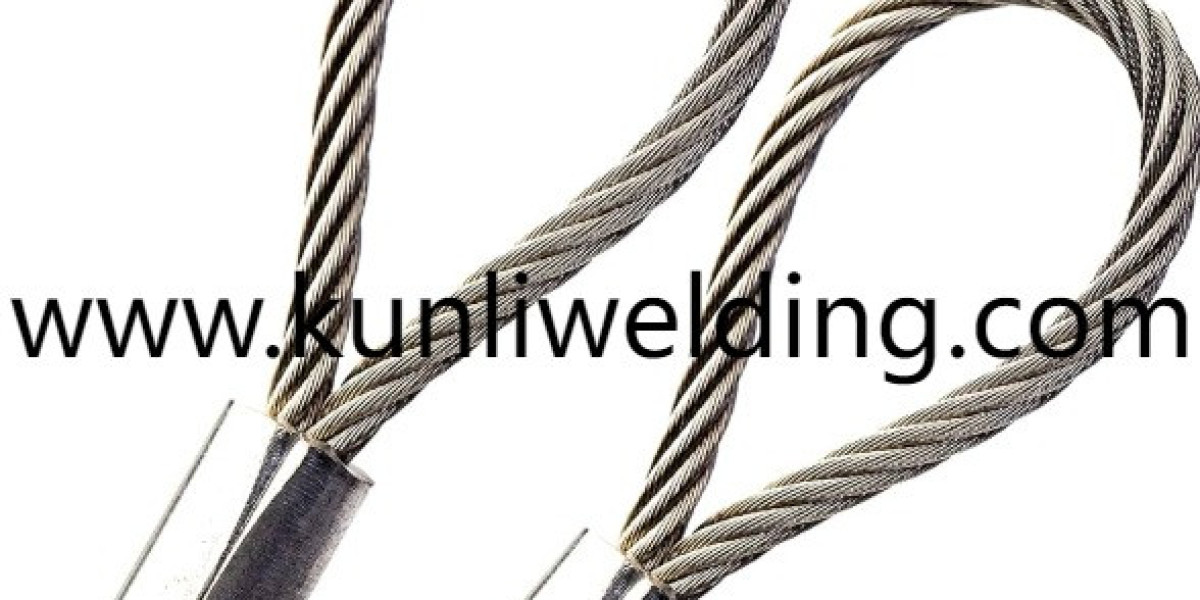
In current fabrication trends, there is an increasing focus on the compatibility of materials with automated and robotic systems. The physical consistency of the wire ensures that it feeds through torches without tangling or slipping. This reliability is vital for maintaining the steady pace required in modern factories. When a project demands a higher level of precision than manual labor can consistently provide, the uniform quality of the filler metal becomes the foundation of the entire automated process. Choosing a specialized grade ensures that the transition to mechanical assembly is seamless and productive.
Environmental conditions during the welding process also influence the decision to use a specific wire. Some alloys are more prone to oxidation or contamination when exposed to the atmosphere. The protective elements within this grade help shield the molten pool, resulting in a more resilient joint even in less than ideal workshop settings. While proper storage and preparation are always necessary, using a wire that is chemically formulated for stability provides an extra layer of security for the fabricator. This resilience helps maintain high standards across a variety of industrial applications.
The decision to move away from general purpose fillers toward a specialized grade often comes down to the long term performance of the structure. Engineers look for materials that can handle the rigors of real world use without frequent maintenance or repair. By focusing on grain refinement and chemical purity, this specific aluminum wire meets the rigorous demands of modern engineering projects. It serves as a bridge between traditional craftsmanship and the high tech requirements of today's industrial landscape.
Ultimately, the goal of any welding operation is to create a bond that is as strong as the base metal itself. Achieving this requires a combination of skill, proper equipment, and the right consumables. The careful selection of filler metals reflects a commitment to quality and safety in every joint. As new materials and methods continue to emerge, the importance of using a proven and reliable wire remains a constant priority for professionals everywhere. For those interested in sourcing quality materials for their next project, visiting https://www.kunliwelding.com/ offers a look at a wide range of industrial solutions.