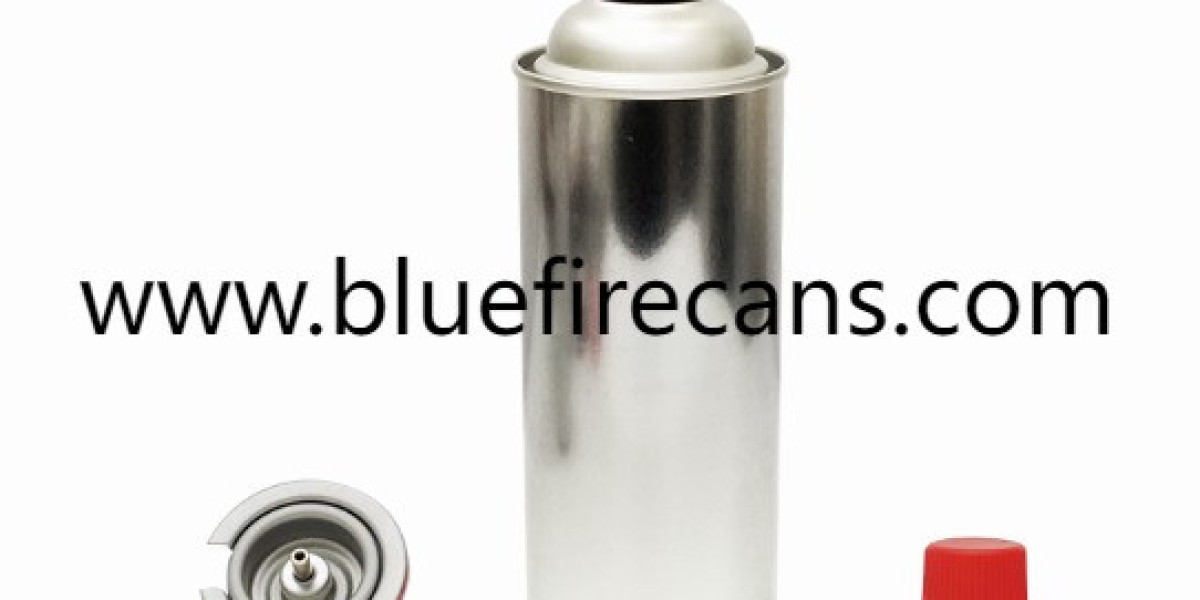

Every time you reach for a spray can — sunscreen at the beach, a quick fix of dry shampoo, a blast of cooking oil — something small and largely invisible is doing all the work. Tucked just beneath the button your finger presses sits an Aerosol Valve , and the engineering folded into that thumbnail-sized assembly is genuinely worth pausing over.
The actuator is where everything starts. It is the only piece you ever actually touch, and the shape cut into its interior channel does more than most people realize — narrow passages throw a tight, direct stream while wider angles scatter the output into a soft fan. Swap the actuator, and the whole character of the spray changes. Nothing else needs to move.
Below that sits the stem. Think of it as a corridor: hollow, fitted, and waiting. When you push down, the stem shifts just far enough to crack open the path between the pressurized contents and the outside air. Get the tolerances slightly wrong and you end up with a valve that either weeps slowly during storage or demands too much force to open cleanly. Neither is acceptable, yet both happen more often than manufacturers would like to admit.
The gasket, wrapped snugly around the stem, is the part nobody photographs for marketing materials — but pull it out and the whole thing collapses. It seals when the stem is at rest. It gives when the stem moves. Then it bounces back, every single time, across hundreds of uses and months of warehouse storage. Materials that swell or stiffen in contact with certain formulas are responsible for more product complaints than people typically trace back to the valve.
Housing, spring, dip tube — three more pieces, each unglamorous, each critical. The housing clips everything together and holds its shape under sustained internal pressure; without it nothing stays aligned. The spring is almost absurdly simple, yet its tension defines how a spray feels in the hand — too stiff and the product becomes tiring to use, too loose and the stem never quite closes. And the dip tube, that long straw reaching down to the bottom of the can, is the reason you can get a reliable spray whether the can is nearly full or almost empty. It draws liquid up rather than waiting for liquid to rise.
What makes all of this genuinely interesting — and genuinely difficult — is that none of these parts work in isolation. A formula with high viscosity flows differently than a thin, water-like product, and the valve has to be configured accordingly. Pair the wrong stem diameter with the wrong actuator geometry and you get an output that sputters, drips, or atomizes too coarsely no matter how good the formula itself is. Matching is not optional. It is the whole game.
Manufacturers who grasp the relationship between component selection and end-user experience make noticeably better products — not because their formulas are superior, but because the delivery mechanism actually keeps its promises from the first press to the last. For spray packaging built with that kind of consistency in mind, browsing the range at https://www.bluefirecans.com/product/ is a practical place to start.