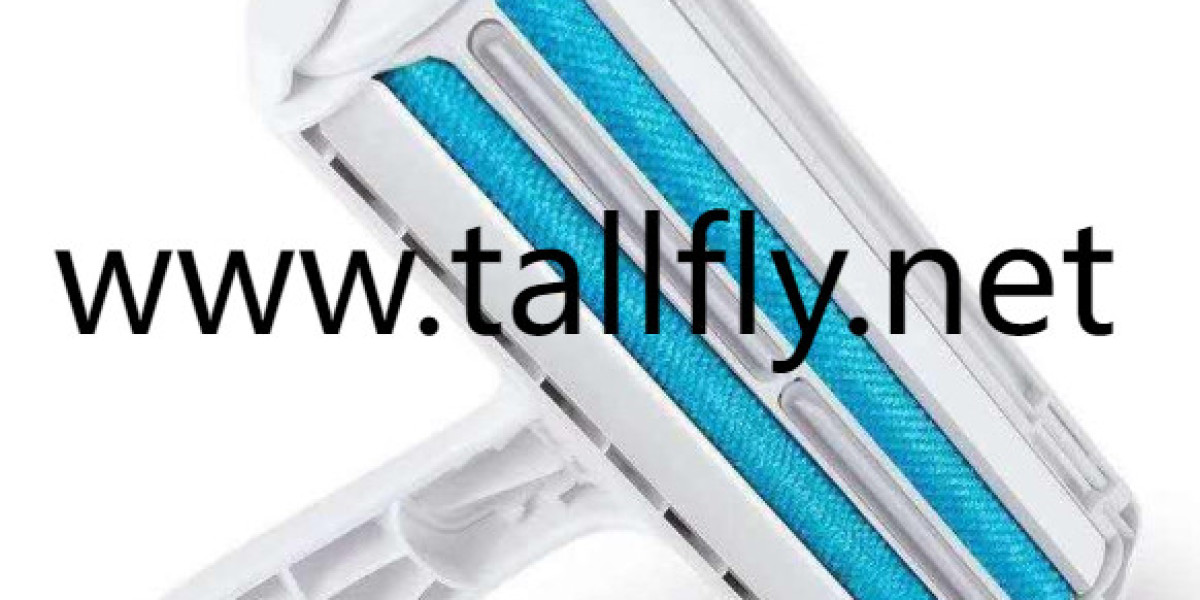

Fur removal implements designed for household surfaces consist of tools with teeth, edges, or textured surfaces that mechanically gather embedded pet hair from fabrics, upholstery, and other materials. Understanding what constitutes a Pet Hair Remover Comb and how its design interacts with different textile types helps owners maintain clean homes without damaging the fabrics they work to preserve. These specialized grooming and cleaning tools require careful technique when applied to delicate materials that risk snagging, pulling, or tearing under improper use.
Delicate fabrics present unique challenges for hair removal due to their fine weave, loose construction, or fragile fiber composition. Silk, satin, fine knits, lace, and certain synthetic blends can snag easily when subjected to the pulling force that hair removal inherently requires. Recognizing fabric vulnerability before beginning cleaning prevents the heartbreak of damaging cherished garments or expensive upholstery through overzealous fur extraction attempts.
Testing on inconspicuous areas establishes whether a particular fabric tolerates combing action without damage. The underside of cushions, inside seams of garments, or hidden furniture sections provide safe testing zones where potential damage remains invisible. Apply minimal pressure during these tests, observing whether the fabric resists the tool without snagging, pulling threads, or showing distortion. This preliminary assessment prevents widespread damage that might occur if you proceed without confirming compatibility.
Pressure control represents the most critical factor in protecting delicate fabrics during hair removal. Heavy handed application that works fine on sturdy upholstery creates immediate problems on fragile materials. Light, gentle strokes barely contacting the fabric surface allow the tool to catch hair without engaging fabric structure enough to cause damage. Finding the minimum pressure that removes hair while leaving fabric undisturbed requires patient experimentation and willingness to work more slowly than you might with sturdier materials.
Stroke direction influences fabric safety significantly. Working with the fabric grain or weave direction reduces stress on individual threads compared to working against the natural material structure. Observing fabric construction reveals the predominant thread direction that should guide your stroke orientation. Cross grain strokes place more stress on individual threads, increasing snag risk that directionally aware technique avoids.
Tool selection matters tremendously when working with delicate fabrics. A Pet Hair Remover Comb with fine, closely spaced teeth poses less snag risk than aggressive tools with widely spaced, sharp teeth designed for heavy duty upholstery work. Smooth, rounded edges prevent the catching that sharp tool edges create when they encounter delicate fabric structures. Some situations demand switching to softer removal methods like lint rollers or masking tape rather than mechanical combing tools regardless of how carefully you apply them.
Frequency considerations suggest that preventing hair accumulation on delicate fabrics proves wiser than attempting aggressive removal after substantial buildup occurs. Light, frequent cleaning sessions remove surface hair before it embeds deeply into fabric structure where extraction becomes more difficult and risky. This preventive approach maintains cleanliness without the forceful techniques that embedded hair demands.
Moisture application sometimes aids hair removal from delicate fabrics by reducing static electricity that holds strands against material surfaces. Light misting with water or fabric spray creates slight dampness that loosens hair's electrostatic bond without soaking materials. This technique particularly suits synthetic fabrics prone to static cling that makes hair removal challenging through dry methods alone.
Alternative tools designed specifically for delicate materials provide safer options when standard combs prove too aggressive. Specialized fabric brushes with ultra soft bristles or rubber tools that gather hair through gentle friction rather than catching action suit delicate textiles better than conventional combing implements. Recognizing when to switch approaches prevents damage that occurs when forcing inappropriate tools onto vulnerable materials.
Hand technique refinement through practice improves results while reducing fabric stress. Developing the light touch that removes hair without material engagement takes time but pays dividends in both cleaning effectiveness and fabric preservation. Rushing through delicate fabric cleaning invites the mistakes that careful, patient work avoids.
A Pet Hair Remover Comb applied thoughtfully to delicate fabrics maintains cleanliness without the damage that careless technique or inappropriate tool selection creates on vulnerable textiles. For fur removal tools designed with varied tooth configurations and edge treatments suited to different fabric sensitivities from sturdy upholstery to delicate garments, visit https://www.tallfly.net/ to review options appropriate for your specific textile cleaning challenges.