
Best Time of Year to Visit Tokyo: An Honest Season-by-Season Guide
Most travel guides rank Tokyo seasons by how pretty they look in photos. That is not the full picture. The time in tokyo you choose to visit determines your hotel costs, crowd levels, weather comfort, and the kind of city experience you actually get versus the one you imagined.
Tokyo delivers something genuinely worthwhile in every season. The real question is which season matches your priorities, budget, and tolerance for crowds. This guide covers each period honestly, without the glossy filter that most travel content applies.
Spring Visits Reward Early Planners and Punish Everyone Else
Late March through mid-April is objectively beautiful. Cherry blossoms transform Shinjuku Gyoen, Ueno Park, and Chidorigafuchi into scenes that justify every photograph you have ever seen.
Here is the honest part. Spring is also Tokyo's most expensive and most crowded window. Hotel prices in central Tokyo during peak sakura season regularly run two to three times their standard rates. A room costing 10,000 yen on a quiet February Tuesday can reach 28,000 yen or more during peak bloom weekends.
The bloom window itself lasts roughly seven to ten days per location. Weather determines the exact timing, and it shifts by up to two weeks between years. Travelers who book fixed dates without checking bloom forecasts sometimes miss peak entirely while still paying peak prices.
Late April into early May brings Golden Week, one of Japan's densest domestic travel periods. Four national holidays cluster together and the entire country moves simultaneously. Trains, hotels, and tourist attractions operate under maximum load. Booking six months ahead is not excessive planning for this window. It is the minimum.
For travelers whose top priority is cherry blossoms specifically, spring is worth navigating. Budget accordingly, book early, and focus on weekday visits to major parks rather than weekend crowds.
Early Summer Offers Value That Experienced Travelers Quietly Exploit
Late May after Golden Week ends is genuinely underrated. Crowds drop significantly. Prices fall back to normal levels. Temperatures sit in the comfortable mid-20s Celsius range. The city returns to its regular efficient rhythm.
This two to three week window between Golden Week's end and rainy season's beginning is one of the most consistently overlooked Tokyo travel periods. Experienced Japan travelers often target it deliberately precisely because mainstream guidance skips it.
June brings tsuyu, the rainy season. Consistent drizzle and rising humidity characterize most of the month. Outdoor-heavy itineraries become frustrating. However, crowds thin noticeably and accommodation prices drop further. Travelers whose priorities lean toward food, museums, shopping, and urban exploration rather than outdoor sightseeing often find June works well despite its reputation.
Understanding the tokyo time zone matters here for a practical reason. Many seasonal outdoor markets and garden events adjust their operating hours during rainy season. Verifying the current local time in Tokyo Japan before calling ahead to confirm venue hours prevents arriving at closed or adjusted operations.
Summer Is Honest About What It Asks of You
July and August deliver heat and humidity that photographs never communicate accurately. Temperatures regularly reach 35 degrees Celsius with humidity above 80 percent. Walking between subway stations in midday summer sun is genuinely draining for visitors from temperate climates.
Outdoor sightseeing becomes most comfortable before 10 AM and after 4 PM. The middle of the day is best spent in air-conditioned environments. Tokyo's covered shopping arcades, underground dining districts, world-class museum collections, and department store food halls come into their own during summer afternoons.
Typhoon season runs from August through September. Storms can cancel flights, close outdoor attractions, and disrupt multi-day plans with limited advance warning. Travel insurance becomes genuinely important rather than optional during this period.
Summer does have genuine advantages. Festival season brings some of Tokyo's most atmospheric events. Sumida River Fireworks Festival in late July draws massive crowds but delivers a visual experience that is hard to replicate at other times of year. Summer street food culture and festival energy give Tokyo a different character than any other season.
Autumn Has Become the New Spring in Terms of Pricing
October and November used to be Tokyo's quiet best-kept secret. Mild temperatures, beautiful foliage, manageable crowds. That era is largely over.
Autumn foliage tourism has grown significantly over the past five to seven years. November weekends at Rikugien Garden, Koishikawa Korakuen, and Shinjuku Gyoen now rival spring crowds. Accommodation prices in November approach cherry blossom season levels in many central Tokyo neighborhoods.
October remains better value than November while still offering comfortable temperatures in the low to mid-20s Celsius range. It represents a reasonable middle ground between the summer heat and the November price spike.
The foliage itself peaks in mid to late November for most Tokyo locations. Like cherry blossoms, the exact timing varies by year and by specific location. Checking forecasts before finalizing November dates helps align arrival with actual peak color rather than arriving a week early or late.
Winter Is the Most Underrated Tokyo Travel Season
January and February after the New Year rush represent the single most undervalued Tokyo travel window. Prices drop substantially. Crowds thin across all major attractions. Winter illuminations continue through much of January, and the city looks genuinely beautiful under clear winter skies.
Tokyo winters are cold but dry. Temperatures typically range from 5 to 12 degrees Celsius during January and February. This is manageable with proper layering and infinitely more comfortable than summer humidity for visitors from many parts of the world.
Museum queues are shorter. Restaurant reservations are easier to secure. Popular neighborhoods like Yanaka, Shimokitazawa, and Koenji feel like they belong to you rather than to a crowd. The Tokyo that locals actually inhabit becomes more accessible in winter than at any other time of year.
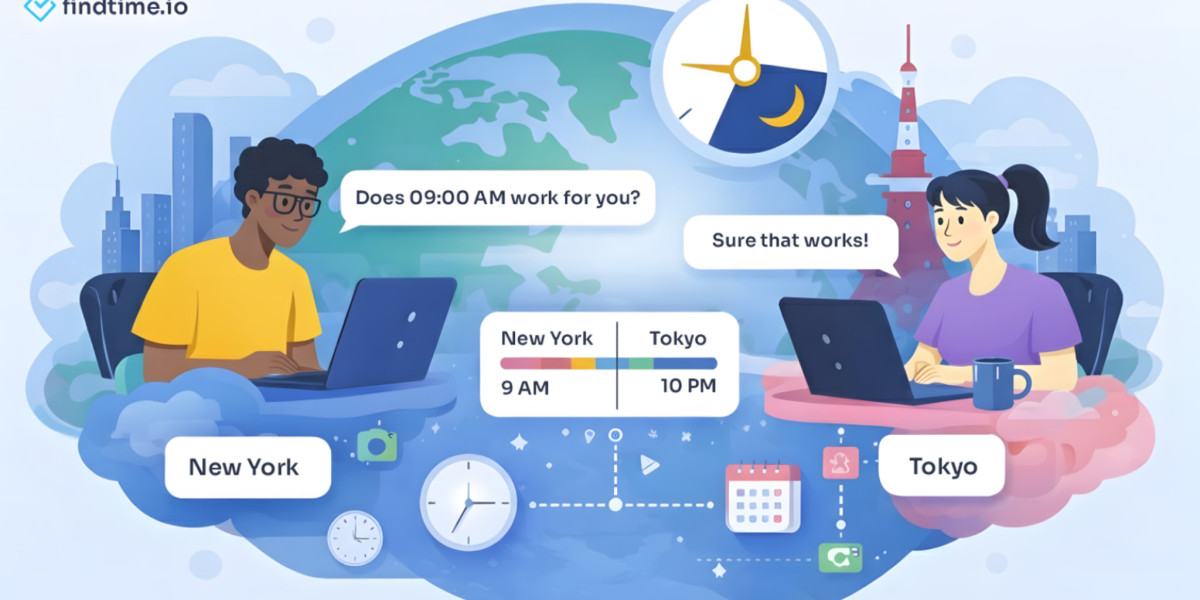
Checking the time in tokyo also helps winter travelers plan jet lag recovery more effectively. Winter arrivals from North America face a 13 to 14-hour time gap. Planning your first day around natural light exposure and realistic energy levels makes the difference between a rough first three days and a smooth arrival. A tool like findtime.io helps you map your home time against Japan Standard Time before you travel. Visit findtime.io when planning your arrival schedule to build a realistic first-day itinerary that works with your body rather than against it.
Month-by-Month Summary for Tokyo Trip Planning
January is excellent value after the first week. Cold, quiet, and genuinely rewarding for travelers who dress appropriately.
February is arguably the best value month of the entire year. Plum blossom season begins. Crowds remain minimal. Prices stay low.
March to mid-April delivers cherry blossom beauty at a significant cost premium and crowd intensity.
Late April to early May brings Golden Week disruption. Avoid unless booked months in advance with adjusted expectations.
Late May is a sweet spot. Good weather, lower prices, post-holiday calm.
June is functional for indoor-focused travelers and poor for outdoor itineraries.
July and August demand heat tolerance, flexible planning, and typhoon awareness.
September carries residual typhoon risk but improves toward month's end as temperatures begin dropping.
October offers good weather and reasonable prices before autumn foliage demand pushes costs up.
November delivers beautiful foliage at rising prices. Weekday visits outperform weekends significantly.
December is excellent in early to mid-month before New Year price spikes arrive.
FAQs About the Best Time to Visit Tokyo
What single month offers the best overall Tokyo experience?
February consistently delivers the strongest combination of low prices, thin crowds, and genuine seasonal interest through plum blossom season. It lacks the visual drama of cherry blossoms or autumn foliage, but it offers a more authentic and affordable Tokyo experience than any peak season period.
Is cherry blossom season worth the extra cost?
For first-time visitors with flexible budgets, yes. The visual experience during peak bloom is genuinely extraordinary and unlike anything available at other times of year. For repeat visitors or budget-conscious travelers, late May or early autumn offers comparable enjoyment without the pricing pressure.
How does the tokyo time zone affect trip planning across seasons?
The tokyo time zone sits permanently at UTC plus 9 year-round. Japan does not observe daylight saving time. This means your offset from the current local time in tokyo japan changes based on your home location's seasonal adjustments, not Japan's. Travelers from countries observing daylight saving should recalculate their time difference when planning calls home or coordinating arrival logistics.
What season is best for Tokyo food experiences?
Tokyo's food scene operates at a high level year-round, but autumn and winter offer the strongest seasonal ingredient alignment. Autumn brings matsutake mushrooms, Pacific saury, and sweet potato varieties. Winter delivers exceptional seafood, hot pot culture, and the kind of warming ramen experiences that feel perfectly matched to cold evening streets.
Does Tokyo get crowded during all school holiday periods?
Japanese school holidays in summer, late December, and spring align with the city's peak crowd periods. International school holidays from other countries add additional visitor volume, particularly during European summer in July and August and Western Christmas and New Year periods in late December. Avoiding overlap with both Japanese and international holiday calendars is the most reliable strategy for minimizing crowd impact.
Final Thought
The best time in tokyo for your visit depends entirely on what you value most. Cherry blossoms are real and worth seeing. Winter quiet is real and worth experiencing. Summer energy is real and worth one visit at minimum to understand what the city becomes in its hottest season.
The travelers who consistently report the best Tokyo experiences are not the ones who chose the most photogenic season. They are the ones who matched the city honestly to their own priorities and arrived with accurate expectations rather than highlight reel assumptions.
What matters most to you in a Tokyo trip? The answer to that question is your best guide to timing.