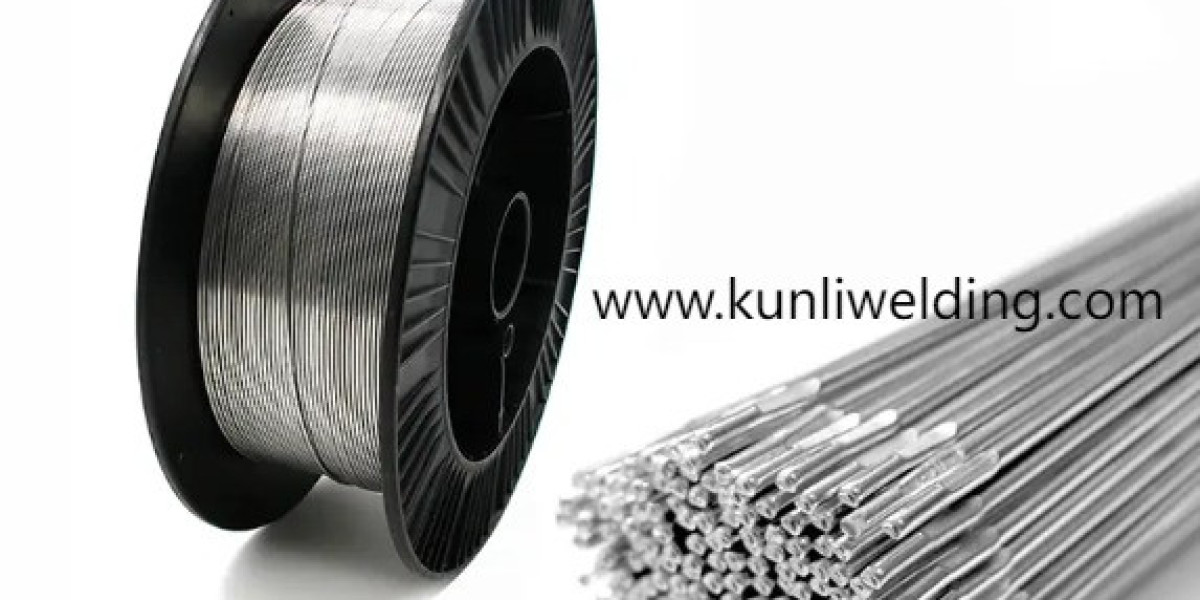

Material selection decisions significantly impact welding outcomes, with certain filler compositions proving particularly suitable for specific application categories. Understanding when to specify Aluminum Welding Wire ER4943 requires recognizing the unique characteristics this silicon-enriched composition brings to various fabrication scenarios. This filler material demonstrates properties making it valuable for situations where crack resistance, fluidity, and compatibility with heat-treatable base alloys matter critically. Identifying application features that align with these material strengths helps fabricators deploy this composition where it delivers meaningful advantages over alternative filler options.
Heat-treatable aluminum alloys represent primary application targets for this filler composition. Base materials deriving strength from precipitation hardening processes demonstrate particular susceptibility to hot cracking during welding, as the thermal cycle disrupts their carefully controlled microstructure while creating shrinkage stresses during solidification. The silicon content in this filler creates solidification behavior resistant to crack formation even when joining crack-sensitive base alloys. Applications involving these heat-treatable materials, common in aerospace components, automotive structures, and marine assemblies, benefit directly from crack resistance properties inherent to this composition. When fabricators encounter persistent cracking issues welding heat-treatable alloys with other filler types, switching to this silicon-enriched option often resolves problems.
Thin material applications gain advantages from the enhanced fluidity characteristics silicon additions provide. When welding lightweight sheet or extrusions where heat input control prevents warping or burn-through, filler materials flowing smoothly at moderate temperatures support delicate operations. The composition melts readily and spreads evenly across joint surfaces, creating complete fusion without requiring excessive heat that might distort thin components. Fabricators working with architectural panels, transportation vehicle skins, or consumer product enclosures frequently encounter thin material scenarios where fluidity advantages prove valuable.
Positional welding situations benefit from flow characteristics that remain controllable across flat, horizontal, vertical, and overhead orientations. The material demonstrates sufficient fluidity for good wetting and fusion without becoming so liquid that gravity causes excessive sagging in out-of-position work. Field welding and structural fabrication often require positional capability, making this composition suitable for applications where repositioning large assemblies proves impractical. The balanced flow behavior supports quality welds regardless of joint orientation, simplifying technique requirements across varied positions.
Automated and robotic welding systems handling heat-treatable alloys represent ideal application environments for this filler material. The crack resistance prevents defects in high-speed production scenarios where crack-prone base materials might otherwise generate quality issues. The consistent composition and reliable feeding characteristics support repeatable robotic performance, while fluidity properties enable smooth bead formation at elevated travel speeds. Manufacturing facilities producing components from heat-treatable aluminum alloys through automated processes benefit from crack resistance and flow characteristics this composition provides.
Cosmetic applications where bead appearance matters find value in the smooth, uniform profiles this material creates. The fluidity enables even flow across weld zones, minimizing irregularities requiring post-weld grinding or finishing. When welds will remain visible after surface treatment or when minimal finishing labor proves economically important, selecting filler materials naturally producing acceptable bead aesthetics reduces total fabrication costs. Architectural applications, consumer products, and other scenarios prioritizing appearance alongside structural performance suit this composition.
Repair situations involving unknown or mixed aluminum alloys benefit from the universal compatibility silicon-enriched compositions demonstrate. When exact base material identification proves difficult, as often occurs in maintenance and repair contexts, using filler materials compatible with broad alloy ranges reduces risk of incompatibility problems. The crack resistance provides margin for error when metallurgical matching cannot be verified precisely, making this composition valuable for field repair operations where material identification remains uncertain.
Applications NOT suited to this composition include those requiring maximum as-welded strength, as the silicon content provides crack resistance rather than strength enhancement. Situations demanding high corrosion resistance in specific environments may favor alternative compositions with different electrochemical characteristics. Post-weld heat treatment applications sometimes benefit from different filler selections depending on desired final properties.
Evaluating whether specific fabrication scenarios align with this composition's strengths helps fabricators deploy materials strategically where their characteristics provide meaningful benefits. Recognizing application features like heat-treatable base alloys, thin materials, positional requirements, or cosmetic demands guides appropriate material selection. Technical resources providing detailed application guidance and composition specifications remain accessible at https://kunliwelding.psce.pw/8p6qax where comprehensive information supports matching filler materials to specific fabrication requirements ensuring successful outcomes across diverse aluminum welding applications where crack resistance and flow characteristics deliver value.