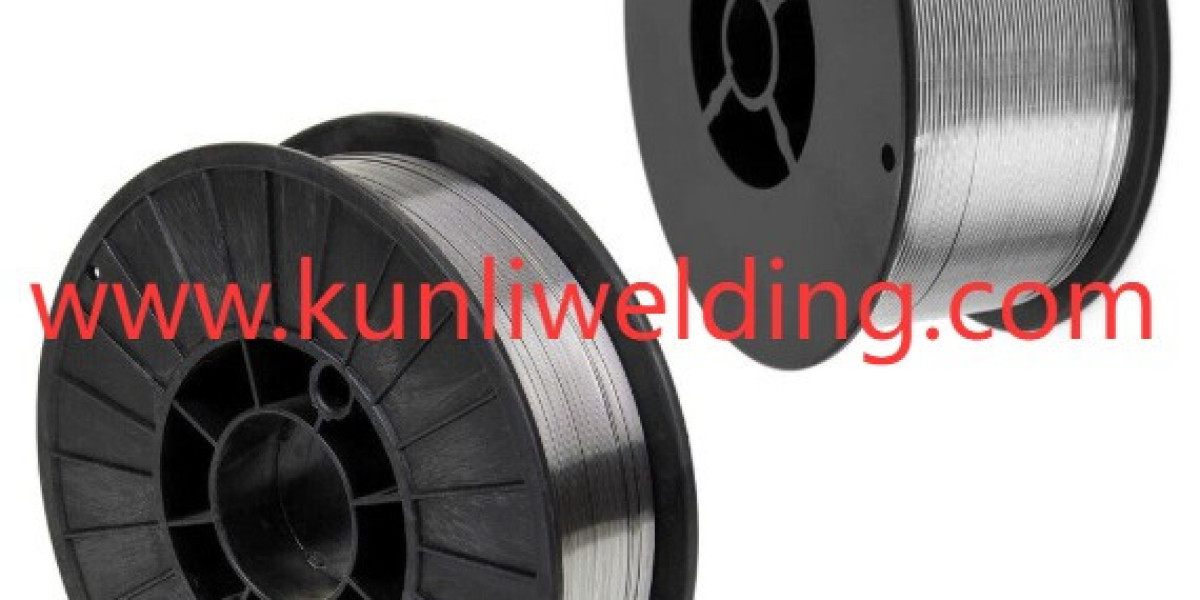

Selecting the right conductor for a boat often starts with sourcing and specification checks, and many installers compare samples from Custom China Aluminum Alloy Wire Manufacturers to confirm coating quality and dimensional tolerances. Tinned Aluminum Alloy Wire offers a blend of lighter weight, workable conductivity, and improved surface protection that can make it suitable for a range of marine electrical systems when used correctly.
Tinned Aluminum Alloy Wire begins with an aluminum base that is plated or coated with a thin layer of tin. That tin coating helps slow direct exposure to salt air and moisture. It also improves the wire’s ability to accept solder and to form more consistent terminations in field repairs. For low-voltage runs, accessory lighting, communication lines, and many cabin systems, this combination makes practical sense.
Before selecting tinned aluminum for any marine circuit, confirm the circuit classification and code requirements. Critical systems such as engine starting or main battery feeds often require copper or approved high-current conductors. For secondary and accessory circuits, tinned aluminum can be a valid option if you increase conductor size appropriately and use connectors rated for aluminum conductors.
Installation begins with good preparation. Strip insulation carefully and clean the exposed conductor to remove the oxide layer. While tinning reduces the oxide issue at the surface, the underlying aluminum can still form a film when exposed. Use a non-abrasive cloth or a fine abrasive pad to present clean metal to the connector. Always follow connector manufacturer instructions and install compression or crimped connectors specifically rated for aluminum.
When soldering is required, tinning helps, but choose flux and solder suitable for aluminum alloys. Avoid common copper flux and solder recipes that do not work well with aluminum. Apply heat only long enough to make a reliable joint and then cool naturally. Wipe flux residues away with a recommended cleaner, since some fluxes can attract moisture and accelerate corrosion in salty environments if left on the joint.
Use protective measures on every connection. Slide marine-grade heat shrink over the joint and apply a bead of waterproof sealant to keep salt spray and condensation away. For runs exposed to the elements, consider protective conduit or armored routing to prevent mechanical damage and rodent nibbling. Also, plan cable routing so wires avoid heat sources and sharp bends that may fatigue conductors over time.
Vibration and motion are common on boats. To resist loosening and fatigue, pair any soldered connection with a properly crimped lug or a mechanical clamp. Compression fittings that are torque-rated for aluminum provide a reliable, long-term connection when installed with the correct tool and torque setting. Check torque values periodically; a seasonal inspection will catch slow loosening before it becomes an electrical fault.
Testing after installation is essential. Measure voltage drop under load for longer runs to ensure devices get the expected voltage. A small, consistent voltage loss is normal, but excessive drop can reduce lamp brightness and impair electronics. Inspect terminations for heat discoloration and mechanical integrity. If a connection shows signs of corrosion or overheating, remove it, clean the conductors, and replace the terminal with a fresh, rated connector.
Maintenance for tinned Aluminum Alloy Wire systems is straightforward. Inspect annually or more frequently for craft operating in heavy salt conditions. Reapply anti-oxidant compound where appropriate and reseal heat-shrink areas if the sealant shows signs of cracking. Keep terminals clean and dry and replace suspect sections promptly.
Sourcing quality materials matters. Look for product data sheets that list alloy composition, tinning thickness, and recommended connectors. Buy from suppliers that provide handling guidance and product certification. For those who need a consolidated source with product pages and specification details, consider reviewing Kunli’s product offerings and technical information at https://www.kunliwelding.com/product/ . Kunli provides practical product pages to help match the right tinned Aluminum Alloy Wire to marine electrical system needs.
China Aluminum Alloy Wire Manufacturers, Aluminum Alloy Welding Wire, Kunli Aluminum Alloy Welding Wire, Custom China Aluminum Alloy Wire Manufacturers, Wholesale China Aluminum Alloy Wire Manufacturers