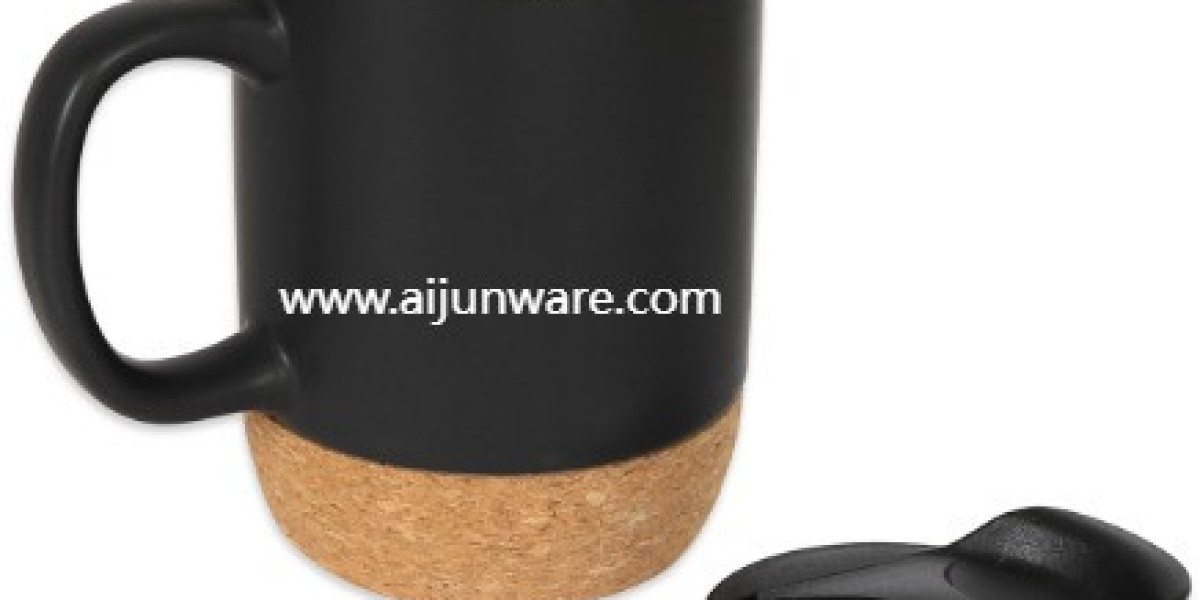

Product design often incorporates small features that significantly enhance functionality without drawing immediate attention. A Cork Bottom Mug Factory produces drinkware that exemplifies this principle through an addition many consumers might initially overlook. The Cork Bottom Mug represents a category of beverage containers featuring natural cork material attached to the base, creating a barrier between the mug and surfaces it rests upon. Understanding what these mugs are, how they function, and why cork serves this purpose helps consumers appreciate the practical value this simple design element delivers throughout daily use.
The fundamental concept involves bonding a layer of natural cork to the bottom surface of ceramic, glass, stainless steel, or other mug materials. This cork attachment typically ranges from several millimeters to about a centimeter thick, covering the entire base area in most designs. Some manufacturers create recessed areas in mug bottoms where cork fits flush with surrounding surfaces, while others attach cork as a slightly raised platform. The attachment method uses food safe adhesives designed to withstand repeated temperature cycles, moisture exposure, and general wear from setting down and lifting mugs thousands of times.
Cork material comes from the bark of cork oak trees harvested sustainably without harming the living trees. Workers carefully strip outer bark layers that regenerate over subsequent years, allowing the same trees to provide cork repeatedly throughout their long lifespans. This renewable sourcing makes cork an environmentally responsible material choice compared to petroleum derived plastics or non renewable resources. The harvested bark undergoes processing that removes impurities and creates consistent material ready for manufacturing applications including mug bases.
The cellular structure of cork determines its functional properties that make it suitable for mug bases. Each cubic inch contains millions of tiny sealed air pockets created naturally as the material forms on trees. These microscopic cells give cork remarkable characteristics including thermal insulation, compressibility, water resistance, and light weight. The combination of properties addresses multiple practical needs simultaneously, explaining why cork outperforms alternative materials for this specific application despite those alternatives potentially excelling in individual characteristics.
Thermal protection represents the primary benefit most users notice immediately. Hot beverages heat mug bodies that would otherwise transfer that thermal energy directly into furniture surfaces, potentially damaging finishes or leaving heat rings. Cork's cellular air pockets interrupt heat transfer by creating insulating barriers between hot containers and tables. The trapped air conducts heat poorly compared to solid materials, keeping furniture surfaces near room temperature even when mugs contain near boiling liquids. This protection preserves wood finishes, prevents damage to temperature sensitive surfaces, and eliminates the need for separate coasters in many situations.
Physical cushioning prevents scratch damage that hard mug bottoms inflict on furniture over time. Ceramic, glass, or metal mugs create rigid contact points that concentrate weight into small areas, gradually wearing through protective finishes during countless daily uses. Cork compresses slightly under mug weight, distributing force across larger areas and cushioning contact between hard materials. This gentler interaction protects both mugs and furniture from the abrasive wear that rigid materials create through direct contact and sliding across surfaces.
Grip enhancement keeps mugs stable once placed rather than sliding across smooth surfaces. Cork's natural texture creates friction against wood, laminate, glass, and stone tables that polished mug bottoms lack. This stability prevents spills from mugs sliding off edges when bumped and reduces the scratching that occurs when containers drag across finishes. The reliable grip proves particularly valuable on tilted surfaces like adjustable desks or outdoor tables on uneven ground where smooth bottomed mugs might slide.
Noise reduction creates quieter environments in homes and offices where beverage containers frequently contact surfaces. Hard mug bottoms produce sharp sounds when set down that become irritating in shared quiet spaces. Cork absorbs impact energy and dampens vibrations that would otherwise transmit through furniture as audible sound. The resulting soft contact creates peaceful atmosphere while also indicating reduced impact force that would otherwise stress furniture joints and finishes.
Moisture resistance prevents condensation from cold beverages from immediately soaking through to furniture. Water droplets collecting under chilled mugs can damage wood finishes and stain papers when containers lack protective bases. Cork's natural water resistance creates a barrier that resists moisture penetration, though it isn't entirely waterproof with prolonged exposure. This resistance buys time to notice and wipe condensation before it causes damage, unlike absorbent materials that channel moisture directly to surfaces.
Design aesthetics incorporate cork in ways that complement rather than detract from mug appearance. Natural cork tones harmonize with various materials and color schemes, from rustic wood tones to modern minimalist designs. The organic texture adds visual interest and tactile appeal without overwhelming the primary design. Some manufacturers leave cork natural while others apply finishes that enhance water resistance or modify appearance while maintaining the material's functional properties.
Durability concerns sometimes arise regarding cork longevity under daily use conditions. Quality cork properly bonded to mug bases withstands years of normal use when maintained appropriately. The material resists crumbling or excessive wear despite its organic nature. However, cork does eventually show age through surface wear, occasional staining, or edge damage from impacts. Many users find cork bases outlast their interest in the mug design itself, though replacement options exist for containers where cork fails before the mug body.
Environmental advantages extend beyond renewable sourcing to include biodegradability at product end of life. When mugs eventually break or get discarded, cork components decompose naturally unlike plastic alternatives persisting indefinitely. This lifecycle consideration appeals to environmentally conscious consumers seeking products aligned with sustainability values. The combination of renewable sourcing, functional benefits, and eventual biodegradation makes cork bases attractive from multiple environmental perspectives.
Price premiums for cork bottomed mugs typically remain modest compared to standard equivalents. The material and attachment costs add relatively little to overall production expenses, meaning consumers access meaningful functionality improvements without substantial price increases. This favorable cost to benefit ratio helps explain cork bases' growing popularity as manufacturers recognize consumer appreciation for thoughtful protective features.
Cork bottom mugs represent practical design thinking applied to everyday objects. The simple addition of renewable natural material addresses multiple common problems through understanding material properties and user needs. Whether protecting expensive furniture, reducing noise, preventing spills, or simply providing pleasant tactile experience, these mugs demonstrate how small thoughtful features enhance daily life in ways users quickly come to appreciate and prefer over alternatives lacking these considerations. For drinkware featuring natural cork bases that combine furniture protection with environmental responsibility and everyday functionality, browse the collection at https://www.aijunware.com/product/ where thoughtful design meets practical daily use requirements effectively.