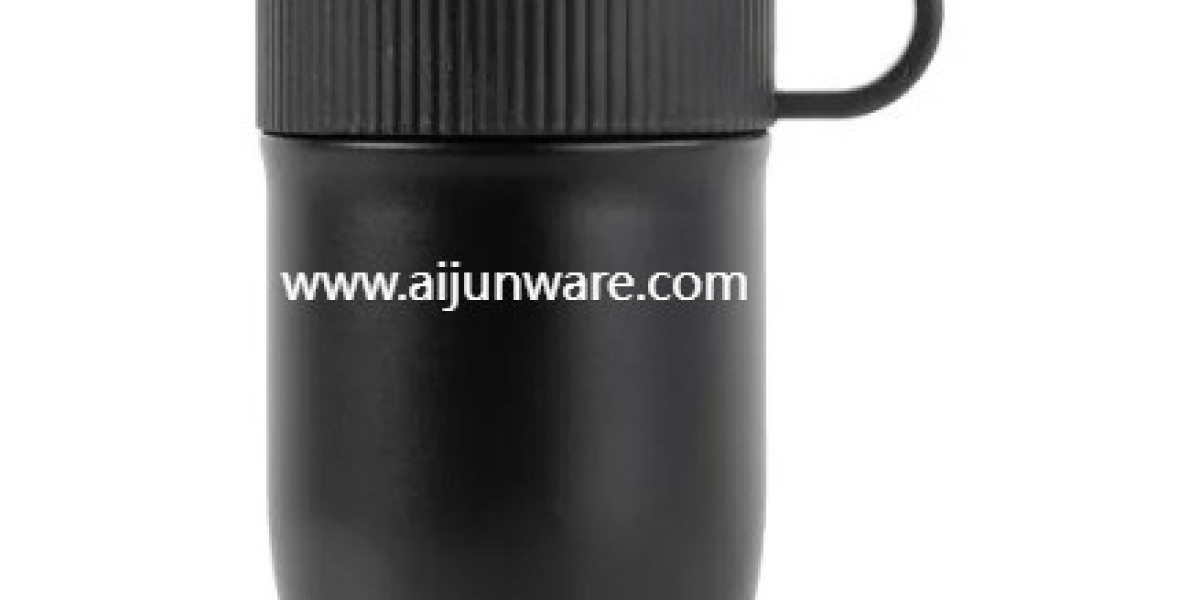

Commuters face constant distraction potential from beverages tipping during sudden stops or sharp turns. An Aijun Thermos Car Mug with properly engineered leak-proof lid transforms precarious beverage transport into secure, worry-free experience. Understanding the mechanical principles and design features that prevent spills illuminates why certain containers protect vehicle interiors while others create frustrating messes. These engineering solutions address physics, material science, and human interaction patterns that combine during typical driving conditions. Quality leak-proof mechanisms represent sophisticated problem-solving rather than simple plastic caps, delivering reliability that enhances safety and convenience throughout daily commutes.
Gasket design forms the primary barrier against liquid escape. Rubber or silicone seals compress between lid and container rim, creating continuous contact that blocks fluid pathways. These gaskets must maintain flexibility across temperature ranges while resisting degradation from repeated compression cycles. Material selection balances softness for effective sealing against firmness preventing permanent deformation. Proper gasket placement and compression force determine whether seals perform reliably or allow seepage during vehicle motion.
Threading mechanisms provide the clamping force that activates gasket seals. Fine threads allow precise adjustment of compression, while coarse threads enable quick opening but may provide less consistent sealing. Thread depth and pitch determine how many rotations achieve proper closure. Cross-threading damages both threads and gaskets, creating permanent leak pathways. Quality threading machined to tight tolerances ensures consistent engagement that users feel through smooth rotation and definite stopping point indicating full closure.
Pressure equalization systems prevent vacuum or pressure buildup that compromises seals. Temperature changes inside sealed containers alter internal pressure relative to atmosphere. Cooling creates partial vacuum that makes lids difficult to open, while heating generates pressure pushing against seals. Vent mechanisms allow air exchange that equalizes pressure without permitting liquid escape. These vents incorporate baffles or one-way valves that pass gas while blocking liquid, maintaining seal integrity across temperature variations.
Drinking mechanisms integrate leak prevention into opening designs. Slide closures expose small drinking apertures while maintaining seal across remaining lid area. Push-button systems open only when deliberately activated, preventing accidental opening from impacts. Flip-top designs hinge open for drinking then snap closed with positive engagement confirming seal restoration. Each mechanism type balances convenience against security, with better designs requiring intentional action to open while remaining easily operable with one hand.
Impact resistance prevents seal failure during drops or collisions. Vehicle interiors subject containers to bumps, falls, and pressure from shifting cargo. Lids must maintain structural integrity and seal compression despite these impacts. Reinforced construction around seal areas prevents deformation that creates gaps. Shock-absorbing features in lid design distribute impact forces across wider areas rather than concentrating stress at seal points. This durability ensures reliable performance throughout container lifespan rather than gradual degradation.
Material compatibility between gaskets and container materials affects long-term seal performance. Chemical interactions between dissimilar materials cause degradation over time. Gaskets incompatible with stainless steel or coatings may harden, crack, or lose elasticity. Temperature cycling accelerates degradation in poorly matched material systems. Manufacturers selecting compatible material combinations ensure gaskets maintain sealing properties through extended use despite repeated heating, cooling, and cleaning cycles.
User interaction design influences whether leak prevention features function properly. Lids requiring complex closing sequences or precise alignment prove prone to user error. Intuitive designs that provide tactile or audible feedback confirming proper closure reduce mistakes. Visual indicators showing open versus closed status help users verify seal engagement before placing containers in vehicles. Foolproof designs account for distracted morning routines where users might incompletely close lids without realizing the oversight.
Maintenance accessibility affects sustained leak-proof performance. Removable gaskets enable thorough cleaning and replacement when wear becomes apparent. Trapped residues between gaskets and sealing surfaces compromise seals over time. Designs allowing easy gasket removal for cleaning maintain performance longer than permanently installed seals accumulating invisible contamination. Replacement gasket availability extends container useful life beyond initial component lifespan.
Testing protocols verify leak prevention under realistic conditions. Quality manufacturers subject lids to pressure tests, drop tests, and temperature cycling that simulates years of use. Containers tumbled in vehicles or subjected to deliberate tipping while sealed reveal design weaknesses before market release. Comprehensive testing separates genuinely leak-proof designs from merely splash-resistant lids that fail under demanding conditions.
Orientation independence distinguishes truly leak-proof lids from directional designs. Containers stored horizontally, upside down, or at odd angles in vehicle compartments must maintain seals regardless of position. Some designs seal effectively only when upright, limiting placement options and increasing spill risk during vehicle motion. Omnidirectional sealing enables confident placement anywhere in vehicles without worry about specific orientation requirements.
Temperature extremes test seal integrity beyond normal conditions. Winter cold makes rubber gaskets rigid and less conforming to sealing surfaces. Summer heat softens materials potentially allowing deformation under pressure. Quality leak-proof designs maintain performance across the temperature ranges vehicles experience through seasonal variations and direct sun exposure. Materials and construction methods addressing these extremes deliver year-round reliability rather than seasonal performance variations.
A Thermos Car Mug engineered with effective leak prevention protects vehicle interiors from damage while eliminating distraction from spill concerns. Reliable seals represent sophisticated engineering addressing multiple failure modes through complementary design features. Understanding these mechanisms helps consumers evaluate claims and select containers delivering genuine leak-proof performance rather than marketing promises exceeding actual capability.
Quality leak-proof design transforms beverage transport from potential hazard into confident convenience. Your Thermos Car Mug equipped with properly engineered lid provides peace of mind that enhances rather than detracts from driving focus. Investment in genuine leak-proof capability proves worthwhile through avoided cleaning, preserved vehicle condition, and reduced distraction during commutes. Those seeking containers with reliable leak prevention engineered through comprehensive design rather than simple cap closure can examine various options addressing spill prevention seriously. Visit https://www.aijunware.com/product/ to compare lid designs incorporating multiple leak-prevention features delivering confidence during daily vehicle use.