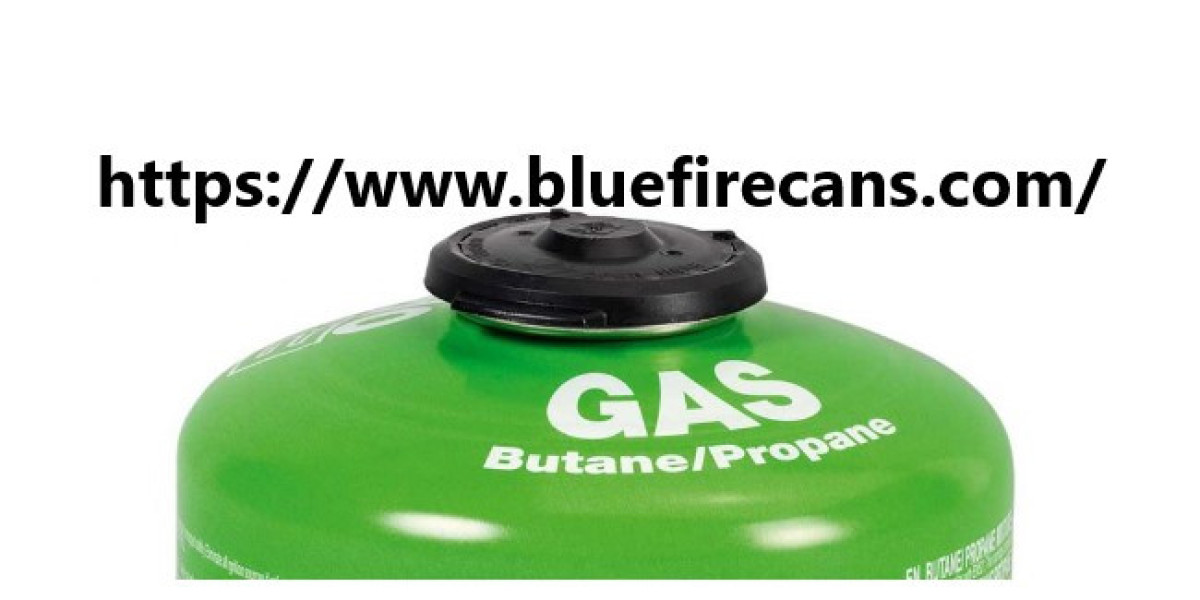

When you plan a weekend away the choice of fuel can change everything about a simple hot meal under the open sky. Bluefire 230g Gas Cartridge appears in packing lists for people who want a middle ground between compact carrying weight and longer run times. That size sits in a design space where fuel chemistry and canister construction meet everyday decisions about weather cooking style and convenience. The brand notes how production testing and sealing practices shape user confidence when a stove is the difference between a warm meal and a cold evening.
At the heart of the conversation are the fuels themselves. Propane and butane are cousins within the group of liquefied petroleum gases but they behave differently as temperatures shift. Propane holds enough vapor pressure at low temperatures to keep a steady output in conditions that make butane struggle; isobutane variants bridge some of that gap by remaining usable in cooler weather while retaining gentler pressure at moderate temperatures. Those physical differences explain why formulators combine gases rather than selling a single fuel for every use case.
When those mixes go into a canister sized for day trips or longer outings the blend choices become practical tradeoffs. A canister with more propane content tends to maintain performance when nights get cold or when altitude reduces vaporization. A canister dominated by butane or isobutane gives a softer feel on the stove and may be lighter to handle for short trips in temperate conditions. Mixing the two offers a compromise where flame control remains predictable as the canister empties and performance holds up over a range of site conditions. That is why some outdoor focused suppliers highlight the blend on product notes as part of matching fuel to route and season.
Container design and regulatory constraints also shape what ends up in your pack. Fuels that need higher pressure require stronger vessel construction and that affects both weight and how the product is shipped and stored. In some markets blending rules and transport guidelines influence the maximum allowed proportion of certain gases in a convenient screw top canister so what appears on shelves is a practical compromise between performance and logistics. Brands that publish their production controls and inspection practices help buyers judge which canister types suit their needs.
How that plays out around the stove matters for daily use. If you expect colder nights consider a mix with a higher share of the low temperature vaporizing component to avoid sluggish flame and slow boils. If you cook with a slow simmer or want a very steady gentle flame then a softer blend will make low heat work easier to control. And if you travel between climates choosing a canister that balances both demands reduces the need to carry extra spares. Small habits like sheltering the stove from wind and keeping the canister out of direct cold will also extend reliable performance from the same fill.
Sustainability and supply discussions have nudged makers to be clearer on what goes into a canister. When consumers pay closer attention to manufacturing practices and packaging choices producers respond by documenting testing protocols and offering compatible fittings to reduce on site improvisation. Visible routine inspection and a clear description of valve and thread standards help retailers and end users match canisters to stoves without last minute adapters that can compromise safe connections. Those practical steps reduce frustration at the trailhead and encourage responsible use.
Field teams and individual travelers can use a few simple checks to make better choices. Match the canister blend to the climate you will face and pick a container style that fits your stove without forcing adapters. Handle canisters gently avoid dents and store them away from intense heat. When in doubt treat the canister like any other precision item and follow the supplier guidance on compatibility and inspection before first use. These routines keep routine cooking chores predictable and safer.
If you are considering which size and blend to carry remember that composition matters more than marketing claims. A balanced mix delivers consistent flame under varied conditions while a propane rich mixture gives the edge when cold or altitude threaten vapor pressure. The Bluefire 230g Gas Cartridge sits in a category meant for multi day outings where one canister should cover several meals without needless spare weight or awkward refills. Check the supplier notes on testing and thread standards to ensure compatibility with your stove and to avoid hurried adjustments at the campsite.
When product availability and travel trends show more people cooking outdoors the practical lesson is to match fuel chemistry to conditions and match the container to your equipment. That small bit of planning keeps meals on schedule and reduces the chance of dealing with sluggish stoves in marginal weather. If you want to review canister options and product notes for planning your next outing see the camping cartridge section at https://www.bluefirecans.com/product/ .