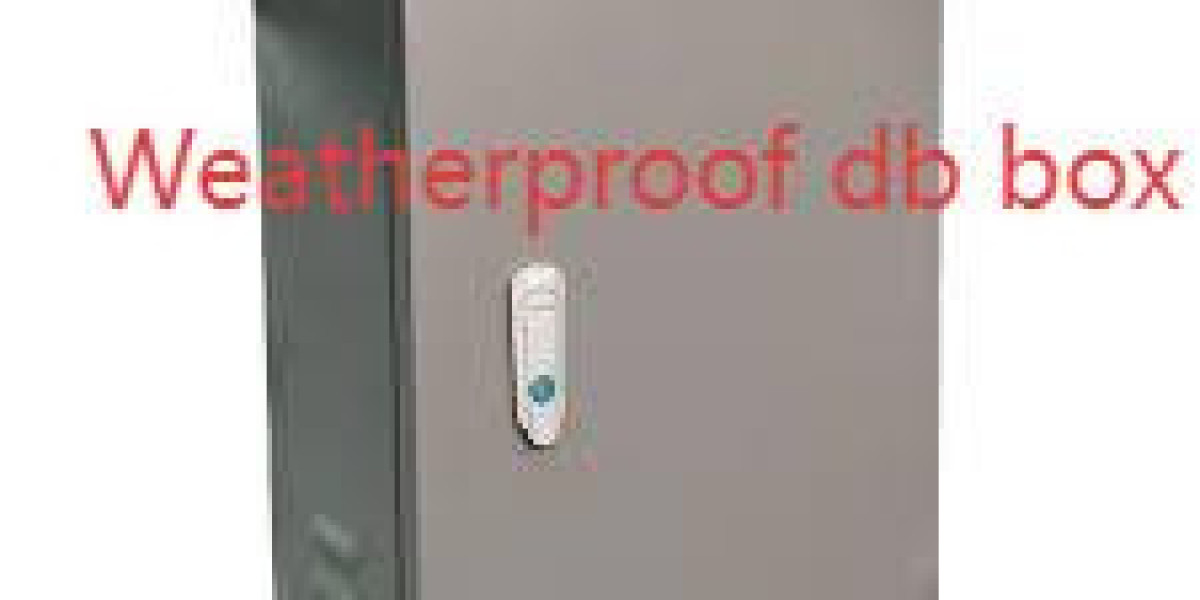
Designing for outdoor electrical resilience begins with realistic choices: a well-placed Weatherproof db box protects critical circuits from rain, dust, and accidental contamination, and thoughtful early specification avoids costly retrofits. In many installations, positioning a Weatherproof db box close to the served equipment simplifies cable runs, reduces exposure points, and makes routine inspection faster and safer.
Assessing exposure and setting realistic requirements
Before selecting an enclosure, evaluate the site’s real exposures rather than relying on nominal ratings alone. Consider wind-driven precipitation, seasonal temperature swings, salt spray in coastal zones, chemical atmospheres in industrial plants, and the likelihood of pressure washing or hose-down cleaning. Also factor in human elements — vandalism risk, foot traffic, and maintenance access — because physical abuse and improper servicing often degrade protection far sooner than weather itself. Document these observations and translate them into required ingress protection (IP) or NEMA classes, plus an impact (IK) rating that matches potential mechanical threats.
Materials, finishes, and corrosion-control strategies
Material choice heavily influences lifecycle costs. Stainless steel and marine-grade alloys perform well where corrosion is a primary concern, while powder-coated mild steel delivers a cost-effective balance for many industrial sites if coating systems are properly specified. Nonmetallic composites, such as fiberglass-reinforced polyester, offer dielectric isolation and excellent chemical resistance for specific use cases. Don’t overlook small parts: specify corrosion-resistant fasteners, gland plates, and hinges to avoid failure points that compromise seals. For aggressive atmospheres consider sacrificial anodes, increased wall thickness, or specialized coatings to prolong service intervals.
Thermal management and moisture-mitigation tactics
Outdoor enclosures face two conflicting issues: heat buildup from sunlight or internal loads, and moisture generated by condensation. Both damage components over time. Use reflective finishes, sunshades, or orientation that minimizes solar gain to reduce daytime temperature extremes. For internal heat sources select ventilation strategies — filtered breathers, thermostatic fans, or low-wattage heaters — that control condensation without compromising ingress protection. Design positive drainage paths, weep holes, and desiccant compartments where appropriate so any infiltrated moisture can escape or be managed. Proper thermal planning reduces nuisance trips and extends component life.
Nante Product Features and Options
When reviewing product families, look for modularity and serviceability: removable gland plates, DIN-rail compatibility, and pre-cut knockouts speed installation and future upgrades. Consider integrated accessory options such as pre-fitted surge protection, meter windows, or internal partitioning for circuit segregation. Lockable latches, captive hardware, and clear labeling improve security and simplify inspections. Finally, prefer manufacturers who publish third-party test data for IP/IK ratings and provide CAD models so you can verify fit and service clearances during design reviews.
Installation, access planning, and long-term maintenance
Correct installation preserves the enclosure’s intended protection. Use correctly sized cable glands and maintain recommended bending radii to prevent insulation damage. Torque terminal screws to manufacturer specifications and record those values for future inspections. Mount boxes to shed water away from doors and entries, and leave service space for technicians — cramped installations quickly lead to overheating and wiring stress. Plan preventative maintenance: periodic gasket inspections, torque checks, and coating touch-ups will prevent small issues from escalating. Maintain a spares kit with gaskets, common breakers, and captive screws to minimize downtime during repairs.
Practical selection checklist for engineers
Create a compact checklist to guide procurement: verify the IP/IK rating, confirm material and finish, check gland plate arrangements, request thermal or condensation control options, and ask for sample units where possible. Include requirements for third-party certifications or test reports, warranty terms, and spare-part availability. When multiple vendors meet the technical specs, evaluate lead times, local technical support, and documentation quality as tie-breakers — these factors often determine how smoothly a product performs in service.
Lifecycle thinking — cost versus longevity
The lowest initial price rarely equals the lowest total cost of ownership. Factor in inspection intervals, expected maintenance actions, spare-part lead times, and the operational costs of failures. A slightly more expensive enclosure with longer paint life, better seals, and easier service access will often save money and reduce downtime over the equipment lifetime. Capture real-world feedback from field teams and iterate specifications for future projects based on observed wear patterns and failure modes.
Closing recommendations and resources
Specifying outdoor electrical enclosures is both a technical and pragmatic exercise. Align ratings and materials with observed site hazards, design for thermal and moisture control, and insist on serviceable, test-verified products. A thoughtful procurement checklist and a modest spares strategy go a long way toward preventing unplanned outages and reducing lifecycle costs. For model comparisons, technical datasheets, and to identify enclosures that match your site’s exact requirements, visit https://www.nante.com/product/