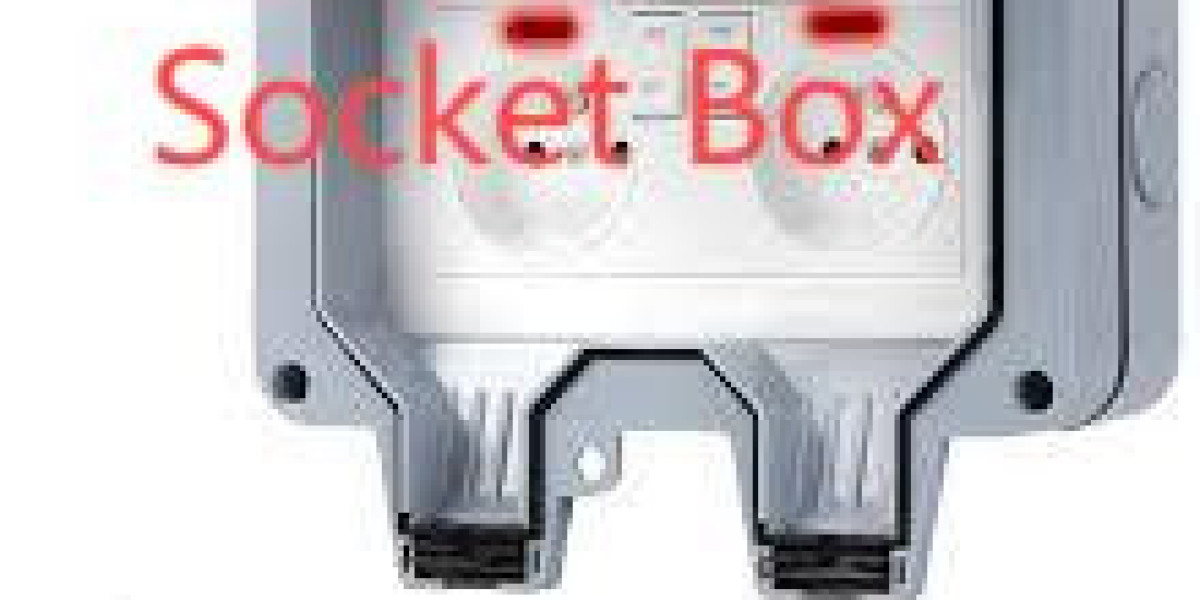

Outdoor electrical fittings must balance safety, durability, and accessibility — and a properly specified Nante Outdoor Socket Box placed where users can reach it safely delivers all three without compromise. Early in planning, confirming that the chosen Outdoor Socket Box meets local codes, environmental exposure, and service needs prevents costly rework and keeps exterior installations reliable.
Understanding environmental demands
Exterior sockets face a combination of UV, rain, wind-driven debris, temperature swings, and occasional impact. Specify an enclosure with an appropriate IP rating — typically IP44 for splash protection, IP65 for hose-directed washdowns, or IP66/IP67 where immersion or aggressive cleaning is expected. In coastal or chemical environments, corrosion resistance becomes critical; choose materials and finish systems that resist pitting and flaking over years of exposure. Impact (IK) ratings inform you about mechanical toughness: a higher IK number means the unit can survive harder knocks without exposing live parts.
Materials, finishes, and corrosion resistance
Materials influence both longevity and maintenance frequency. Die-cast aluminum and stainless steel provide mechanical strength and long-term corrosion resistance in harsh environments, while reinforced thermoplastics deliver lightweight, non-conductive solutions suitable for many public and residential settings. Powder coatings, epoxy paints, and anodized finishes add protective layers; ensure that paint systems are compatible with the substrate. Gaskets should be UV-stable and compress evenly to maintain seals over repeated cover operations.
Mounting, placement, and ergonomic considerations
Where you mount an outdoor socket matters for usability and protection. Mount at heights that are accessible without awkward stretching, while avoiding locations where water pools or where snow plows and vehicles can strike. Recessed mounting or protective shrouds reduce accidental impact and concealment of connectors when not in use. For commercial or public spaces, consider vandal-resistant screws, lockable covers, and tamper-proof fasteners to prevent unauthorized access.
Wiring practices, protective devices, and safety features
Good wiring practice preserves both human safety and equipment life. Use appropriate cable glands and strain relief to maintain ingress protection, and size conductors for the expected continuous and surge loads. Integrate residual-current devices (RCDs) or ground-fault circuit interrupters (GFCIs) where required by code to protect users. Consider local isolation switching for maintenance and clearly label circuits. For installations serving sensitive electronics, add surge protection modules or coordinated upstream surge arrestors to reduce the risk of transient damage.
Weatherproofing details that matter
Small details make a big difference in the field. Provide drip edges above covers, sloped surfaces to shed water, and weep channels to divert condensation. Choose covers with sealing lips that compress uniformly and include captive fasteners so covers cannot be lost. Where vents are necessary for thermal relief, use filtered breather vents that block dust and water while permitting moisture exchange. Inspect and select UV-resistant plastics for visible components to avoid brittle failures and color degradation.
Maintenance regimes and inspection checklists
A predictable inspection schedule retains protection: check gaskets and cover compression annually in mild climates and quarterly in aggressive environments. Inspect for paint failure, loose fasteners, and contact discoloration that indicates overheating. Test protective devices periodically — trips and RCDs — and record results for traceability. Keep common spares on hand: gaskets, cover screws, and socket inserts shorten repair time and minimize service interruption.
Accessories, customization, and smart options
Modern outdoor boxes can be configured with a range of accessories: integrated meter windows, lockable compartments, internal lighting, and modular socket inserts to handle mixed plug types. For smart buildings, include space for metering modules or communication interfaces to monitor usage or remotely trip circuits. Choose vendor-supported modular systems to allow upgrades without replacing entire enclosures.
Procurement, standards, and specifying for longevity
When procuring outdoor socket solutions, require test evidence for IP/IK ratings and material certifications. Request dimensional drawings to confirm fit with wall penetrations and mounting patterns. Compare warranty terms and ask about spare-part availability — rapid replacement of worn parts reduces downtime. Specify installation details in tender documents: torque for terminal screws, gland types, and sealing compounds so field work preserves the product’s intended protection.
Selecting the right outdoor socket solution blends realistic site assessment, appropriate materials, and attention to installation and maintenance details. Thoughtful choice and care result in exterior power points that remain safe, functional, and low-maintenance for years. For product options, technical data, and model selections, see https://www.nante.com/product/