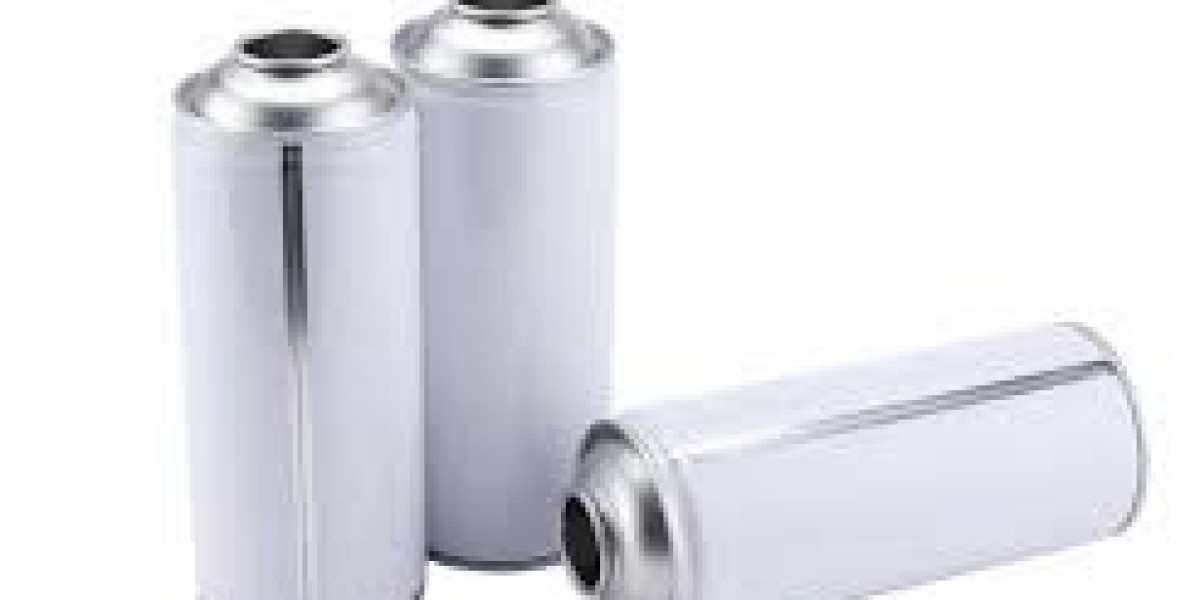

When packaging is both a functional barrier and a brand surface, choosing the right container matters. A Two-Piece Aerosol Can deserves attention because its drawn body and separate top create a seamless exterior that supports consistent printing and fewer potential leak points. That construction pattern is why brand owners and packaging teams often consider this can type when they need reliability alongside attractive decoration.
Start with how the can is formed. Two piece containers are produced from a single drawn shell joined with a separate end which removes the vertical side seam found in other designs. Fewer seams mean fewer opportunities for seam related weaknesses and more uniform wall thickness across the body. That basic geometry gives a clear mechanical advantage for applications where pressure stability and decorative finish are both priorities.
Next look at manufacturing investment and process control. Making drawn bodies requires specific drawing and wall ironing equipment and strict material quality. When a supplier invests in those capabilities it indicates a production focus on repeatable shape control and dimensional stability. Those features show up later during printing and filling when cans must land squarely on high speed lines without rework. Suppliers that explain their forming and finishing processes offer a better starting point for qualification.
Testing and quality control are not optional. Pressure performance and leak resistance are matters of safety as well as product integrity so suppliers who run standardized tests on every production lot reduce downstream risk. Typical checks include pressure tests burst tests and leak detection along with visual appearance inspections. Requesting test records or evidence of routine sample testing helps procurement teams avoid surprises when cans enter a filled goods line.
Surface treatment and coatings connect durability to responsibility. Choices about internal barriers external coatings and printing inks affect corrosion resistance adhesion and recyclability. Many brands now ask suppliers about coating chemistries and finishing processes because these choices influence both product lifespan and end of life handling. The packaging world is shifting toward barrier solutions that reduce reliance on problem chemicals while keeping materials recyclable which matters when sustainability programs are part of sourcing decisions.
Decoration quality is a practical brand concern. A smoother drawn body simplifies multi color printing gradient effects and detailed artwork. When appearance matters on a shelf a uniform surface is easier to print and to inspect for defects. If brand presentation is at stake, ask for production prints or mock ups and check how the can holds ink and varnish under handling conditions similar to retail distribution.
Traceability and labeling practices are part of a modern quality story. Clear batch marking handling instructions and orientation marks speed receiving inspections and reduce delays during audits or customs checks. Suppliers who provide traceable batch information and sample photographs as part of a qualification package help manufacturing teams close gaps that can otherwise cause hold ups. Insist on batch level traceability when you want to tie field issues back to a specific run for quick corrective action.
Inspection and arrival checks are simple but revealing. When a shipment arrives confirm that body curvature is uniform that there are no irregularities at the can end that valve cups sit correctly and that finishing shows no flaking. A short in person checklist will find many problems before they become expensive line stops. Combine this with sample pressure testing where appropriate and document any variance against the supplier literature.
Think about how the can will perform in logistics. A lighter can that still meets mechanical demands lowers freight and handling strain while a stable body reduces the chance of denting during transit. Buyers balancing weight and durability often find that the two piece format allows a favorable mix because less material is wasted in seams and body construction. That efficiency can be relevant when volumes and supply chain complexity affect cost and service.
Sustainability expectations are shifting procurement criteria. Brands now weigh recyclability and lower impact coatings alongside technical suitability. Choosing packaging that fits responsible sourcing goals reduces future conversion costs and aligns with broader corporate commitments. When suppliers can describe their coating choices and finishing processes it helps procurement teams align on practices that support recycling and reduced chemical risk.
Finally consider supplier communication and service. Transparent suppliers who share process photos sample parts and production descriptions speed qualification. They answer technical questions about materials filling practices and finishing without long delays which reduces friction during scale up. That cooperative approach to qualification and problem solving is often the difference between a supplier that performs well under pressure and one that creates recurring issues when demand or specifications change.
Selecting a can is a practical engineering decision that touches design supply chain quality and sustainability goals. By checking forming methods surface treatment testing regimes and traceability you can identify suppliers that align with brand needs and operational realities. When you are ready to see product options and technical materials for drawn body aerosol containers the manufacturer product listings provide visuals specifications and contact paths that streamline qualification at https://www.bluefirecans.com/product/ .