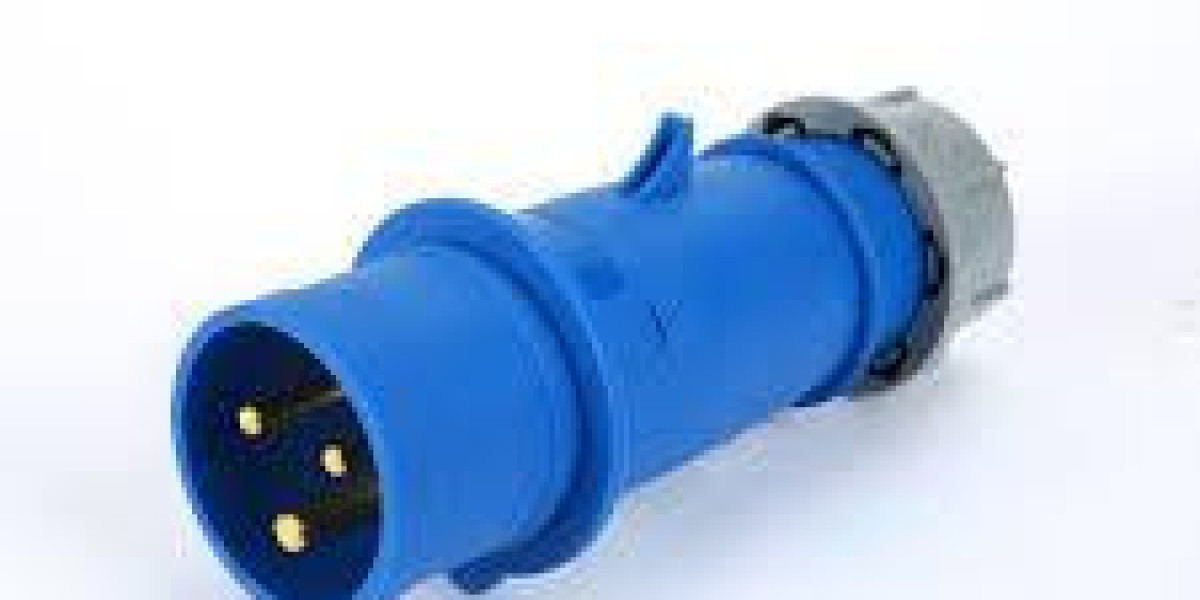

Reliable power at demanding sites requires connectors engineered to withstand mechanical stress, environmental exposure, and repeated use — which is why the Industrial Plug remains a core specification for heavy-duty installations, and why Nante focuses on tight tolerances, secure mating, and serviceable designs. This introduction frames the performance priorities, selection trade-offs, and practical guidance that follow.
Contact Materials and Mechanical Design
High-current connectors must begin with excellent contact metallurgy and precision machining. Copper alloys with silver or nickel plating balance conductivity and wear resistance, keeping contact resistance low even after many mating cycles. Mechanical features such as keying, threaded collars, or captive locking pins prevent accidental disconnection under vibration. Strain-relief geometries and flexible cable entries reduce stress at terminations, extending life for both cable and connector.
Environmental Ratings and Sealing Strategies
Ingress protection dictates longevity in outdoor or washdown environments. Choose housings and gaskets tested for repeated exposure to water, dust, and corrosive atmospheres. Elastomeric seals that compress rather than extrude maintain their sealing performance after many connections; double-lip designs and recessed entry points reduce direct splash paths. For coastal or salt-spray locations, material selection for external hardware—stainless steel or plated alloys—helps avoid corrosion that can compromise both mechanical and electrical integrity.
Installation Best Practices and Safety
Correct installation is essential to realize the connector’s rated performance. Proper conductor sizing, torque settings for terminals, and verified strain relief installations prevent hot spots and early failures. Use recommended gland types for cable shielding and ensure protective earthing connections are both secure and accessible. For mobile applications, add captive safety latches; for permanent installations, use locking collars and clear, permanent labeling to prevent mismating. Routine inspection procedures—visual checks and contact-resistance measurements—translate into predictable, reduced downtime.
Integration with Leading Component Ecosystems (e.g., ABB)
Selecting connector systems that accept standard modular accessories simplifies procurement and maintenance. Many projects prefer platforms compatible with ABB modules or similar industry families, because standardized cutouts and accessory interfaces let teams swap surge protectors, pilot contacts, or indicator modules without custom modification. This interoperability shortens repair cycles and expands options for sourcing spares across vendors and regions.
Durability Testing and Total Cost Considerations
Beyond initial purchase price, consider lifecycle costs: how often will seals require replacement, what are the expected mating cycles, and are spare contacts readily available? Manufacturers that publish test data for thermal cycling, vibration endurance, and mating cycle counts give buyers a clearer sense of expected field performance. Investing in premium connectors usually reduces maintenance frequency and the risk of catastrophic failures that halt operations.
Practical Field Tips
Always verify keying and phase alignment before first energization.
Stock common spare gaskets and contact sets for rapid on-site repairs.
Document and post torque specs next to the installed equipment for technicians.
Use color-coded or engraved markings to prevent mismating during fast turnover.
Connectors designed for industrial power applications bring together electrical engineering, materials science, and mechanical precision. By focusing on durable contact metallurgy, tested sealing systems, installation best practices, and compatibility with widely used component ecosystems, project teams can choose hardware that minimizes interruptions and simplifies maintenance over the asset’s life. For a practical primer and more technical context, visit https://www.nante.com/news/industry-news/what-is-industrial-plug.html