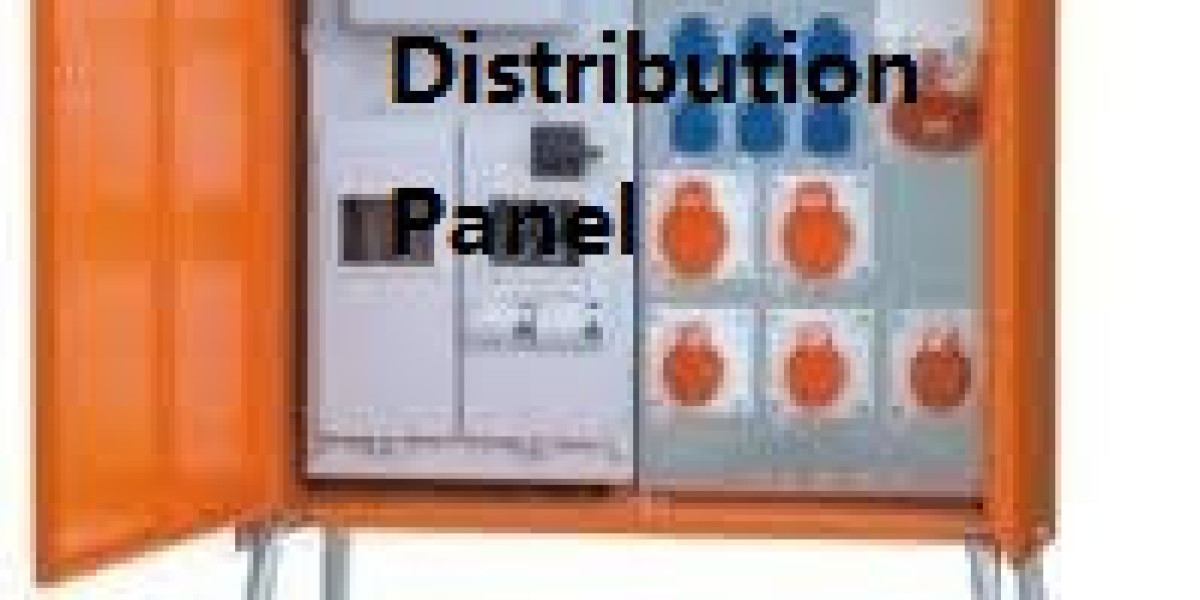

Designing resilient power systems for exposed sites begins with clear specification and thoughtful placement of the Outdoor Electrical Distribution Panel within the project timeline, and early coordination avoids costly rerouting and compatibility issues. On many projects the value of a correctly chosen Outdoor Electrical Distribution Panel becomes obvious only after installation: reduced commissioning time, clearer maintenance procedures, and a more predictable operational life.
Site Assessment and Environmental Matching
Successful outdoor distribution starts with a site survey that catalogues wind-driven rain exposure, salt spray, dust, UV index, and expected temperature ranges. These environmental inputs determine the enclosure material, finish, and gasket technology required to protect internal components. Assessments should also note access patterns for service personnel, potential mechanical impacts, and nearby heat sources that could affect internal temperatures.
Enclosure Materials, IP Ratings, and Corrosion Resistance
Choosing the right enclosure material—UV-stable thermoplastic, stainless steel, or powder-coated aluminum—depends on the exposures identified during assessment. Specify an IP rating appropriate to the hazard level (for example, IP65 for dust-tight and water-jet protection). Corrosion resistance extends beyond the shell: hinges, fasteners, and internal mounting plates need compatible metals or coatings to avoid galvanic action in mixed-metal assemblies.
Electrical Design, Coordination, and Thermal Planning
Electrical layout within a distribution panel should reflect the anticipated load, fault levels, and future expansion. Correct busbar sizing, selective coordination of protective devices, and logical cable routing reduce heat buildup and simplify troubleshooting. Thermal planning—clearance for heat dissipation, insulating barriers, or forced-ventilation options—keeps critical components operating within safe temperature ranges, especially when panels host transformers or power electronics.
Nante Installation Guidance and Field Practices
Practical installation steps preserve the enclosure’s protective integrity and long-term reliability. Use specified cable glands torqued to the manufacturer’s recommendation and ensure conduit entries are sealed. Position panels to minimize water splash and mechanical risk, and adopt mounting methods that prevent ponding around seams. Document the installation with labeled wiring diagrams and photos so future teams can service the panel without unintentionally compromising seals.
Monitoring, Maintenance, And Lifecycle Management
Modern outdoor panels increasingly integrate monitoring and metering to support condition-based maintenance. Temperature sensors, current transducers, and surge monitoring allow operators to prioritize interventions before failures occur. Establish regular inspection cycles that include seal checks, fastener torque verification, and drain path clearance. Plan spare parts provisioning and define replacement thresholds for consumables like gaskets and filters to reduce downtime and total cost of ownership.
Selecting the right outdoor distribution equipment means balancing immediate functional needs with predictable lifecycle behavior. By matching materials and protective features to site realities, designing for serviceability, and enabling monitoring, distribution panels deliver safer, more reliable power where it matters. For further technical guidance and examples of engineered outdoor distribution systems, please see https://www.nante.com/news/industry-news/outdoor-electrical-distribution-panel-nante.html