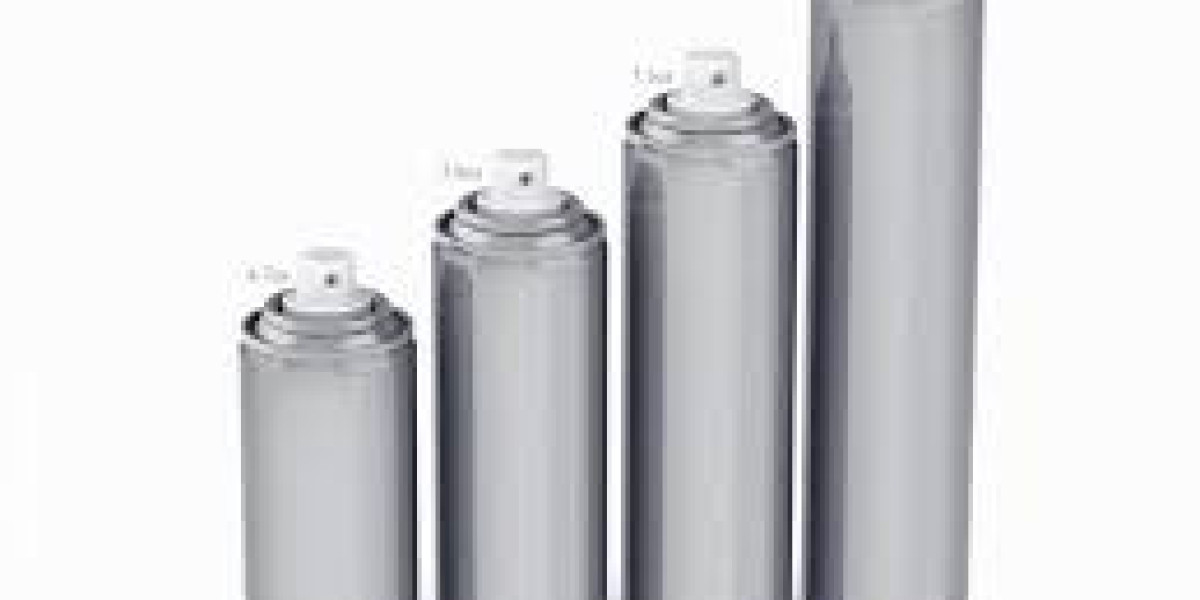

The small metal vessel you grab from a shelf may seem ordinary until something goes off during use. The Two-Piece Aerosol Can sits at the center of many everyday products and when its internal pressure is wrong the effects range from a minor misfire to a serious safety concern. Understanding what can go wrong and how manufacturers and users respond helps protect customers and preserves the reputation of brands that supply these containers.
When pressure inside a can is too high the body may bulge or the valve assembly can be stressed which risks leakage or unpredictable discharge. Over pressure can come from improper filling, a reactive ingredient, or exposure to heat after filling. In contrast when pressure is too low the product will not dispense correctly and performance suffers. Both extremes disrupt the intended function and can lead to returns complaints and safety notices in consumer channels. Clear descriptions of filling practices and inspection routines explain how producers reduce these risks.
Valve performance is closely tied to internal pressure. A valve must balance containment with flow so that a controlled spray or foam appears when actuated. If internal pressure varies from specification the valve may drip block or fail to seal completely between uses. This not only wastes product but also creates a mess and raises the chance that the can will not meet regulatory packaging tests. Manufacturers that document valve testing and thread precision provide reassurance to buyers who need consistent dispensing for retail or industrial uses.
Material selection and forming processes influence how a container tolerates pressure changes. A body formed from tinplate or aluminum and stretched through precise shaping operations will behave differently under stress than a lower quality or improperly treated material. Attention to forming and coating decisions reduces the likelihood of corrosion or weakening that can amplify pressure problems after prolonged storage or rough handling. Recent industry reporting emphasizes manufacturing steps that improve structural resilience and recyclability, reflecting rising interest in responsible packaging.
Filling and quality control are where many potential failures are caught before a can reaches a customer. Proper filling equipment and consistent inspection procedures minimize both overfilling and underfilling. Producers that perform full inspection and pressure testing reduce surprises for brand owners and end users. In contexts where product safety is heavily discussed across social channels and trade outlets a transparent note about inspection practices helps buyers know what to expect and builds trust across the supply chain.
When a can behaves unexpectedly at home the consumer response often shapes the public narrative. Social posts that show a bulging can or an inconsistent spray can reach many people quickly and prompt questions about quality and safety. That attention has nudged some suppliers to publish more detailed production notes and to highlight environmental handling and recycling information alongside safe use guidance. Packaging that is presented with clear safety instructions and production notes tends to reduce consumer confusion and supports better disposal practices after use.
Practical safeguards for users are straightforward. Store aerosol containers away from direct heat keep them in stable ambient conditions and avoid puncturing or exposing them to rough impact. If a can shows signs of deformation cracking or leakage do not attempt to open or use it. Retailers benefit from providing storage guidance at the point of sale and from training staff to identify suspect items before they reach a customer. Such steps reduce accident risk and strengthen the relationship between brand and buyer.
For product developers and packagers the takeaway is that pressure control is a system level concern. Choice of body material filling method valve design and inspection procedures all interact. Suppliers who offer clear statements about forming methods thread precision and inspection practices make it easier for buyers to specify packaging that aligns with product chemistry and distribution realities. This reduces the chance that a mismatch between package and product will become a visible problem in the market.
Sustainability and supply chain resilience are also part of the story. Recyclable body materials and formation techniques that avoid excess coatings help brands meet growing expectations about responsible packaging. When pressure related incidents occur they also prompt conversations about reuse and disposal. Brands that connect safe handling guidance with recycling options on their product pages help close the loop from purchase to end of life.
If you are sourcing containers for a consumer line or an industrial use, seek suppliers that publish clear production notes and that explain how they test for pressure related failure modes. Suppliers who present inspection steps and compatibility information reduce uncertainty and help you align packaging to product demands. To review product categories and production details go to the product area at https://www.bluefirecans.com/product/ where manufacturing notes and available container solutions are presented to help you choose packaging that suits your needs.