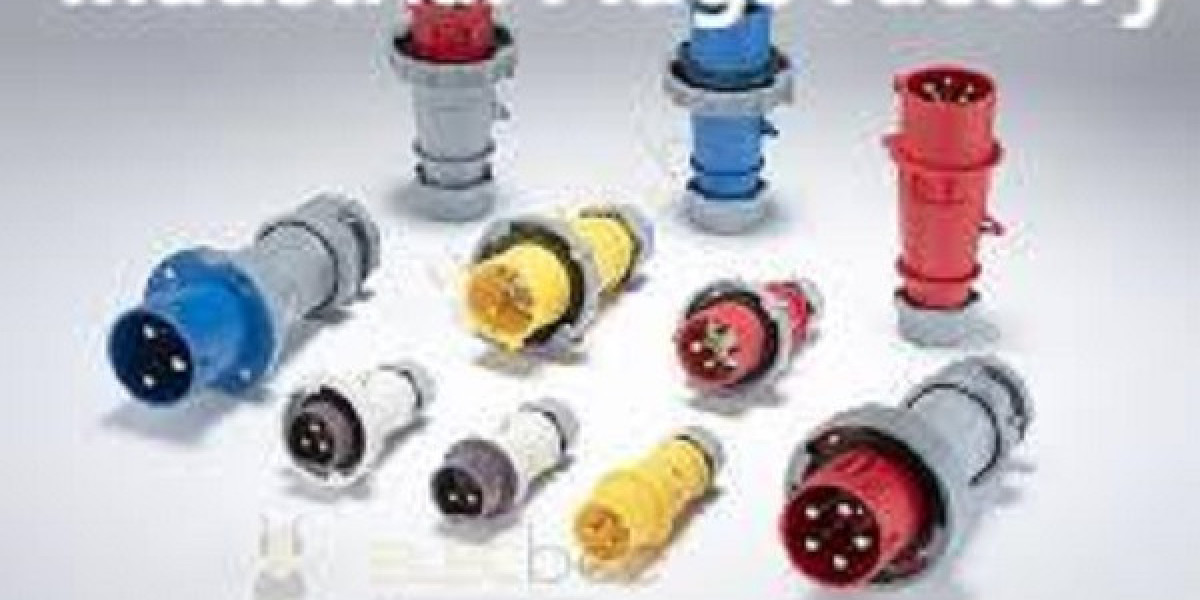

In complex power systems, engineers often specify an Industrial Plug well before procurement to ensure reliable mating, correct amperage, and environmental protection, and choosing the right Industrial Plug at the design stage prevents expensive retrofits and improves uptime across industrial sites. The connector that links power sources to equipment must combine low electrical resistance, secure mechanical retention, and appropriately rated sealing to perform under vibration, moisture, and thermal stress. This article explores how design choices, materials, installation practices, testing, and maintenance make the difference between a temporary fix and a robust, long-lived power interconnect.
Core design priorities for rugged connectors
Design begins with understanding the application’s electrical and mechanical demands. Key priorities include contact geometry that minimizes resistance and hotspots, housing strength to survive impact and vibration, and coupling methods that ensure positive retention during shock events. Engineers should select contact arrangements that prevent accidental mismating and provide sufficient creepage and clearance for system voltages. The right balance of mechanical tolerance and contact preload maintains performance over many mating cycles.
Materials, contact finishes, and corrosion resistance
Contact metallurgy strongly influences long-term conductivity. Copper alloys with silver or nickel plating offer low contact resistance and corrosion protection; plating thickness and surface finish affect wear and oxidation rates. Housings made from marine-grade aluminium, stainless steel, or reinforced thermoplastics provide differing trade-offs between weight, impact resistance, and corrosion tolerance. Specifying corrosion-resistant fasteners and passivated hardware prevents seizure and eases maintenance in aggressive environments such as coastal or chemical-processing sites.
Sealing, ingress protection, and environmental testing
Ingress protection must match the site conditions: IP-rated gaskets, sealed backshells, and pressure-equalizing vents are common tools to keep moisture and dust out while avoiding condensation issues. Independent test reports for IP and IK performance validate that seals, glands, and locking mechanisms hold up under real-world stressors. For washdown or outdoor applications, look for connectors with verified resistance to water jets, salt spray exposure, and thermal cycling to ensure seals retain elasticity over time.
Installation best practices and field accessories
Correct installation preserves engineering intent. Use appropriately sized cable glands and backshells for proper strain relief, and maintain minimum bend radii to avoid conductor fatigue. Apply specified torque to terminal screws to ensure consistent contact pressure without damaging conductors. Accessories such as dust caps, mating backshells, and locking collars simplify field maintenance and reduce downtime; standardized accessory footprints make replacing parts quicker and less error-prone in the field.
Nante product ecosystem and modular options
A supplier that provides modular inserts, standardized mounting footprints, and accessory kits simplifies specification and spare-part management. Modular systems let engineers change pin counts or voltage configurations without replacing entire housings, shortening upgrades and minimizing inventory. Consider modular plug families that share common sealing and coupling systems so technicians can swap inserts quickly during repairs or when adapting equipment for different regions or voltages.
Commissioning tests and preventive maintenance
Commissioning should include contact resistance measurements, insulation resistance testing, and thermal imaging under expected load to identify hotspots or poorly torqued connections. Establish baseline values for future comparisons and record terminal torque specifications. Preventive maintenance routines—visual inspections for corrosion or seal degradation, periodic retorquing, and replacement of soft goods like gaskets—significantly extend service life and avoid expensive repairs after moisture ingress or arcing.
Selecting for lifecycle value, not lowest price
When evaluating suppliers, prioritize documented test data, batch traceability, and accessory availability over marginal price differences. A connector properly rated for the environment and duty cycle typically demonstrates a lower total cost of ownership by reducing failures and maintenance interruptions. Require reproducible production documentation and sample testing to ensure delivered parts match the specified performance.
Application checklist and specification tips
Use a checklist when specifying connectors: continuous and peak current ratings, voltage insulation class, expected mating cycles, IP/IK ratings, operating temperature range, contact metallurgy, coupling type, and accessory compatibility. Define installation constraints such as available mounting space and cable routing early to avoid on-site modifications. Including serviceability goals—spare-part kits, in-field replaceable inserts, and documented maintenance intervals—makes installations easier to sustain over time.
A well-chosen industrial plug balances electrical performance, mechanical resilience, and maintainability. By specifying rated materials, verified sealing systems, and a supportive accessory ecosystem, teams reduce the risk of unplanned downtime and extend equipment life. For detailed technical resources, installation examples, and tested product comparisons, visit https://www.nante.com/news/industry-news/what-is-industrial-plug.html