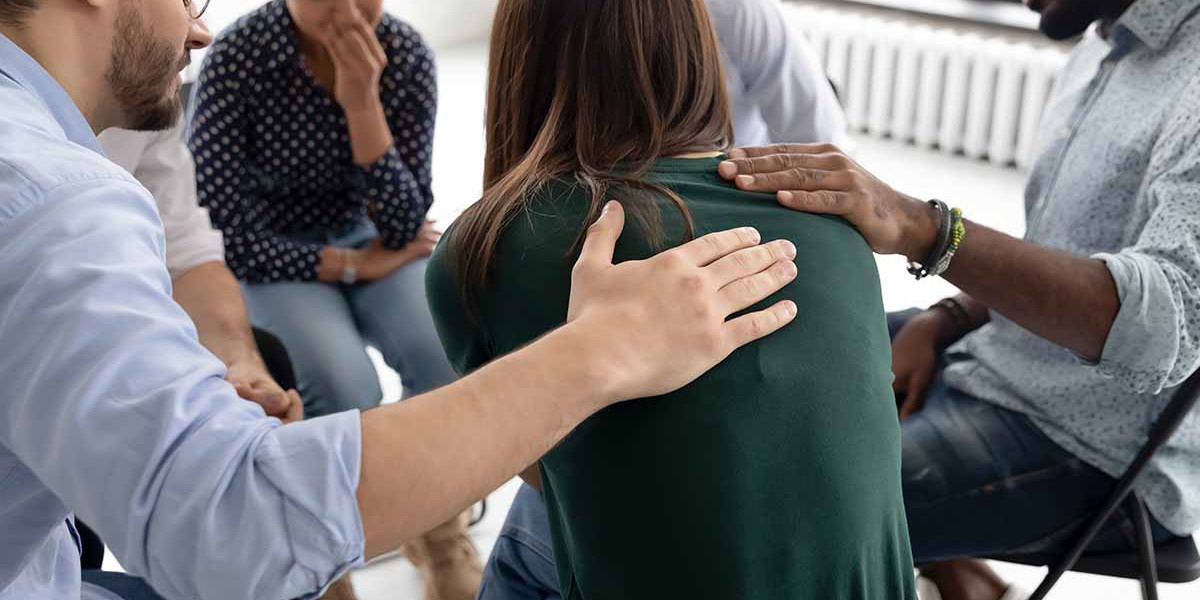

The journey to recovery from substance abuse often feels like standing at the base of a towering, insurmountable mountain. Addiction does not just affect physical health; it infiltrates relationships, finances, careers, and an individual’s overall sense of self-worth. If you or a loved one are struggling, the very first step toward healing is recognizing that you do not have to climb that mountain alone. Seeking a specialized rehab for drugs and alcohol provides the crucial foundation needed to safely break the cycle of dependency and rebuild a fulfilling, substance-free life. With the right combination of clinical expertise, compassionate support, and evidence-based treatment programs, lasting recovery is not only possible—it is a reality experienced by thousands of individuals every day.
Understanding the Need for Professional Addiction Treatment
Many individuals attempt to overcome substance use disorders on their own, only to find that sheer willpower is rarely enough to conquer a complex physiological and psychological condition. Addiction alters brain chemistry, making professional intervention vital for achieving safe and sustainable sobriety.
The Dangers of Unsupervised Withdrawal
When the body becomes physically dependent on substances like alcohol, opioids, or benzodiazepines, suddenly stopping can trigger severe and sometimes life-threatening withdrawal symptoms. Professional rehabilitation centers provide medically supervised detoxification programs. These programs utilize physician-approved protocols and, when appropriate, medication-assisted treatments (such as Buprenorphine or Naltrexone) to manage cravings, ease discomfort, and ensure the patient's physical safety during the critical initial days of sobriety. Attempting detox without this medical oversight drastically increases the risk of relapse and severe health complications.
Addressing the Root Causes of Addiction
Substance abuse is rarely an isolated issue; it is frequently a coping mechanism for underlying psychological distress, trauma, or co-occurring mental health disorders (such as anxiety, depression, or PTSD). A high-quality rehab center does not just treat the symptom (the drug or alcohol use); it treats the whole person. Through comprehensive assessments, clinical professionals identify these root causes and integrate dual-diagnosis care. This holistic approach ensures that clients learn healthy, adaptive coping mechanisms rather than returning to substance use when faced with life's inevitable stressors.
Core Components of Effective Rehabilitation Programs
Not all treatment centers are created equal. The most successful facilities, like those accredited by the Commission on Accreditation of Rehabilitation Facilities (CARF), employ a structured, multi-faceted approach to care that guides clients through every phase of recovery.
Residential and Inpatient Care
For many individuals, stepping away from their daily environment—and the triggers associated with it—is essential for early recovery. Residential inpatient programs provide a highly structured, 24-hour supportive environment. Within a serene and safe setting, clients can fully immerse themselves in the healing process without the distractions or temptations of the outside world. These programs typically feature a rigorous daily schedule that balances clinical therapy, educational workshops, wellness activities, and peer support groups, creating a sturdy foundation for lifelong sobriety.
Intensive Outpatient Programs (IOP) and Outpatient Services
Recovery is a continuum, and care does not end once a residential program is completed. Intensive Outpatient Programs (IOP) and standard outpatient services are critical components of a comprehensive treatment plan. These programs offer flexible scheduling, allowing clients to receive intensive group and individual counseling while slowly reintegrating into their daily lives, returning to work, or managing family responsibilities. Outpatient care provides ongoing accountability and vital support as individuals navigate the real-world challenges of maintaining their sobriety.
Evidence-Based Therapies and Holistic Approaches
A premier rehabilitation facility utilizes a diverse blend of proven therapeutic modalities to address the complex nature of addiction, ensuring that treatment is tailored to each individual's unique needs.
Individual and Group Counseling
At the heart of addiction recovery is intensive counseling. Individual therapy allows clients to work one-on-one with licensed counselors to unpack personal traumas, identify behavioral patterns, and set personalized recovery goals. Modalities like Cognitive Behavioral Therapy (CBT) and Motivational Interviewing are frequently utilized. Equally important is group counseling. Group sessions foster a profound sense of community, breaking the isolation of addiction by allowing individuals to share their experiences, gain insights from peers facing similar struggles, and build a network of mutual support and accountability.
Relapse Prevention and Life Skills Training
Rehabilitation experts understand that relapse is not an event, but a process. Therefore, equipping clients with tangible skills to prevent a return to substance use is paramount. Treatment programs include dedicated workshops focused on relapse prevention, teaching clients how to identify triggers, manage stress, and handle high-risk situations. Furthermore, facilities often incorporate life skills development—ranging from anger management to assistance with obtaining social services—ensuring that clients are fully prepared to navigate the practicalities of a sober lifestyle upon discharge.
The Importance of Family Involvement and Continuing Care
Addiction is often referred to as a "family disease," as it deeply impacts the loved ones of the individual struggling with substance abuse. True healing must extend beyond the patient to encompass the entire family unit.
Family Therapy and Education
Restoring trust and establishing healthy communication are vital for long-term recovery success. Reputable rehab centers offer family programs and counseling sessions designed to educate loved ones about the disease of addiction. These sessions provide a safe space to address hurt feelings, set healthy boundaries, and equip family members with the resources they need to support their loved one's recovery while also embarking on their own process of healing.
Robust Aftercare and Alumni Support
The end of a formal treatment program is just the beginning of a lifelong journey. The most effective rehabs prioritize comprehensive discharge planning and continuing care. This includes connecting clients with local 12-step facilitation groups, arranging ongoing therapy, and providing naloxone and overdose education. Furthermore, many facilities offer active alumni support networks and weekly aftercare groups, ensuring that graduates remain connected to a supportive community that understands the ongoing dedication required to maintain sobriety.
Conclusion
Taking the first step toward overcoming drug and alcohol addiction is an act of profound courage. While the journey may seem daunting, you do not have to navigate it alone. By choosing a licensed, accredited rehabilitation center that offers comprehensive detox, residential care, and evidence-based therapies, you are giving yourself the best possible chance at a healthy, substance-free future. Comprehensive treatment addresses the physical dependency, uncovers the underlying psychological root causes, and equips you with the lifelong skills necessary to prevent relapse.